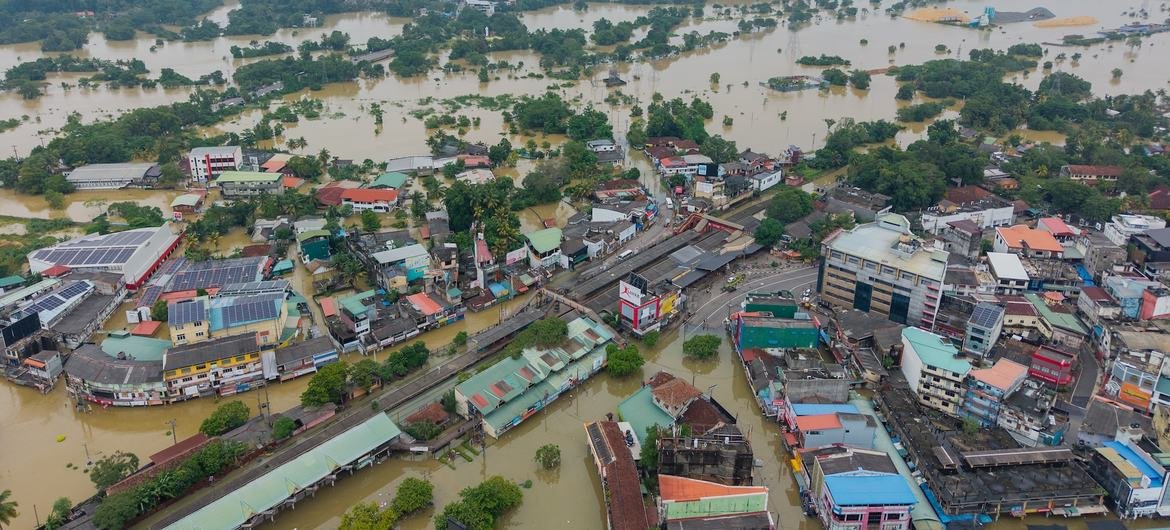
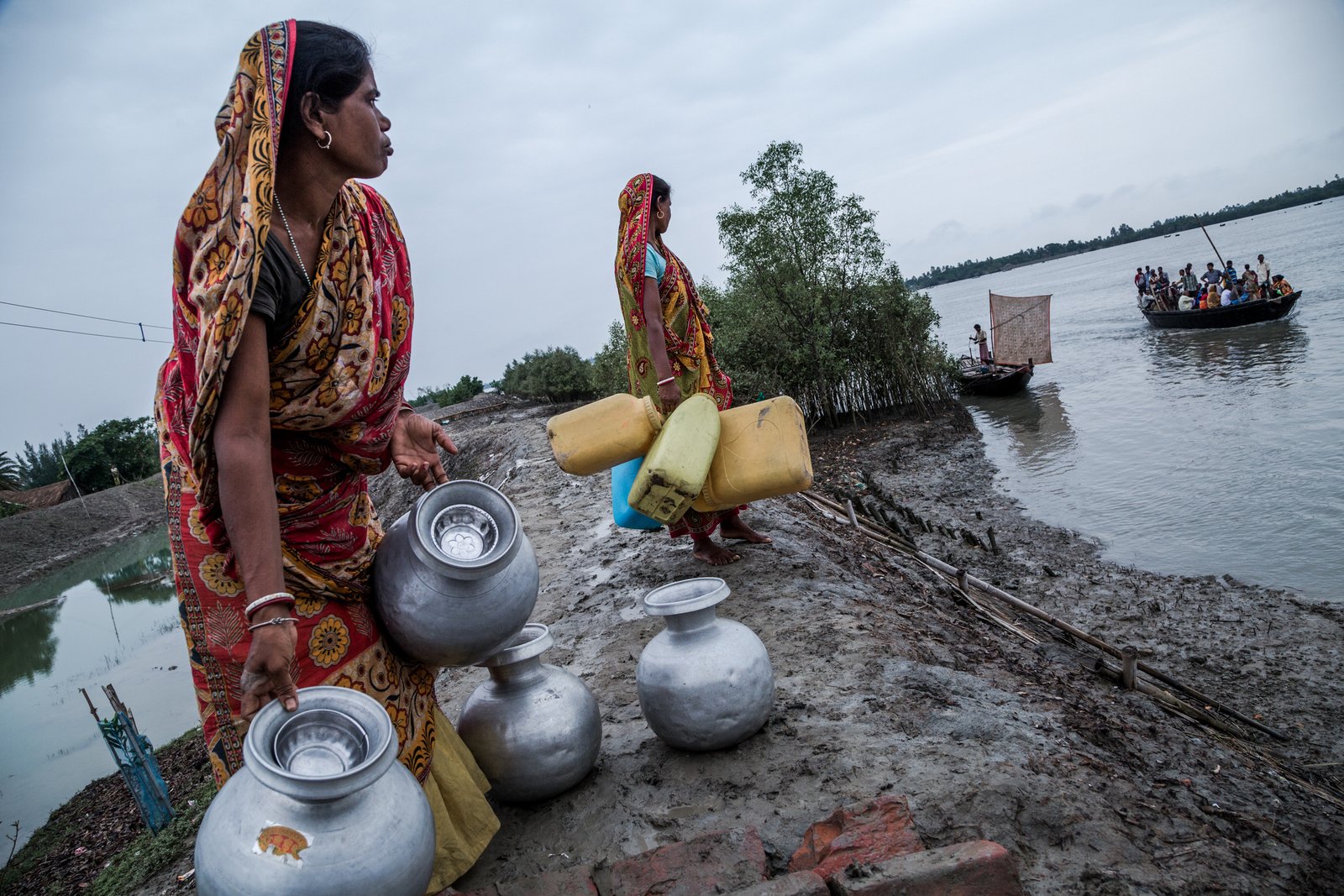
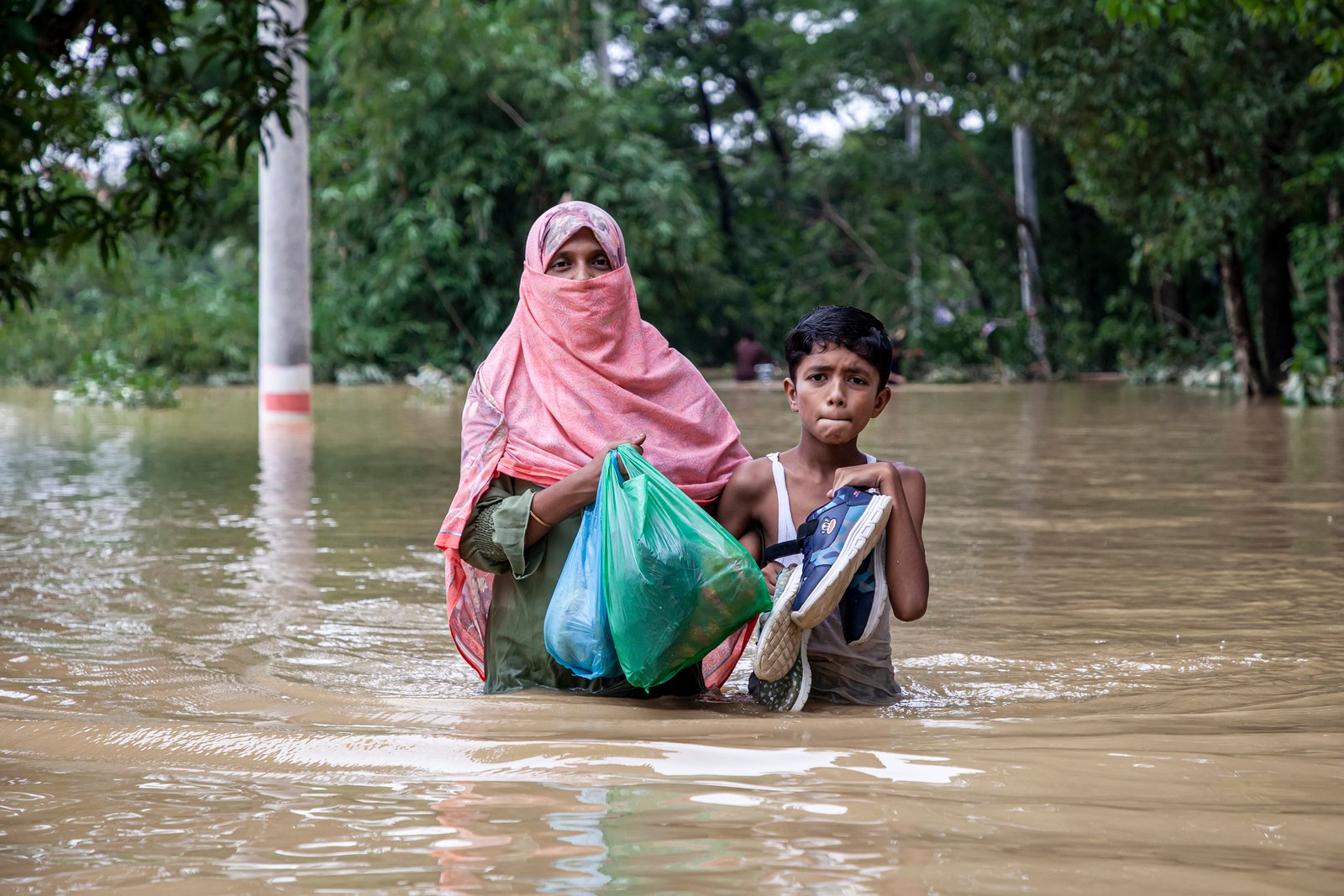
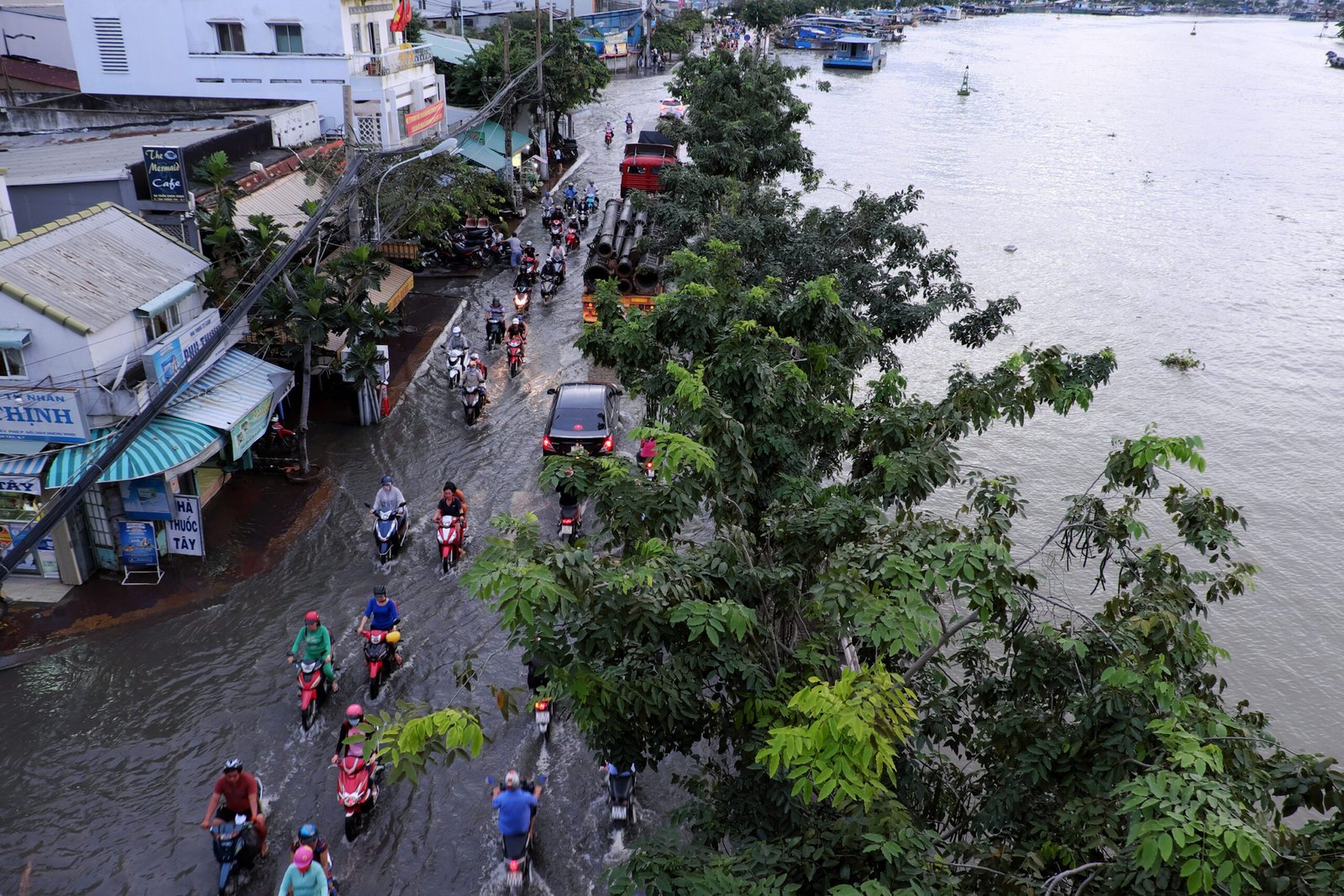
Policymakers, researchers and the media often focus on how climate change affects international migration. Internal displacement is frequently overlooked, potentially leading to misguided policy actions. How people move within their country of origin in response to climate events must be taken into account as decision makers around the world seek to build climate-resilient systems and policies.
Displacement driven by climate hazards and global warming is often framed as a border crisis. However, according to the Internal Displacement Monitoring Centre, most people forced from their homes due to climate-related factors never leave their own countries. This means that focusing primarily on international migration is incomplete. Policymakers must also consider internal mobility—or lack thereof—together with the development challenges that result from it.
Why borders dominate the discussion, and why that matters
When a given hazard causes displacement and makes headlines, it is generally portrayed as some form of border conflict. Public narratives often emphasize cross-border migration, even though most displacement occurs internally. This framing is powerful but misleading. Research shows that most people move within their own countries repeatedly, and the majority of displacement attributed to environmental factors occurs internally rather than across international borders.
Understanding intracountry climate mobility is essential if development and climate policy are to better respond to people’s lived realities. Floods, cyclones, droughts, and sea-level rise displace millions across the Global South, with people often moving from town to town. These forms of mobility are rarely present in debates about climate migration, even though people in low and lower-middle-income countries are significantly more likely to be displaced by sudden-onset extreme weather events compared to those in high-income countries.
The reality of internal movement
Across the Global South, coastal flooding and river erosion regularly force households to relocate further inland. Across Africa, climate migration frameworks tend to highlight prolonged droughts or wildfires as the key factors pushing large families into living in informal settlements. Similarly, in Latin America, climate hazards accelerate the movement of people from rural to urban areas.
The omission of internal mobility from wider discussions on climate migration has long-term consequences. When climate mobility is framed primarily as a cross-border issue, policy attention escalates towards international bureaucracy. Meanwhile, the basic needs of internally displaced people (including protection from social exclusion) end up as temporary humanitarian concerns.
Climate mobility is a daily reality for people living in higher-risk areas. In particular, the interaction between environmental stress and socio-economic opportunities can have a large impact on people’s lives and livelihoods. For example, a flood may destroy the prospect of deriving income from the land, prompting a family member to migrate seasonally for work.
Mobility—and, indeed, immobility—often coexist within hazard-prone regions: some families move while others stay. Unfortunately, those most exposed to climate risks are often the least able to move. Research from Bangladesh, looking at urban adaptation efforts, shows that many displaced households lack shelter, employment, and social protection, limiting mobility as an adaptation strategy.
When staying is risky
Remaining in hazard-exposed areas is often interpreted as resilience or preference. However, in many cases, it may reflect constraint. Researchers increasingly describe these situations as involving people who face escalating climate risks but lack viable pathways to relocate.
At the same time, staying put can be a rational decision. People may value their ancestral land, be reliant on location-specific livelihoods (such as fishing or farming), or fear the social exclusion that could come from moving away. Treating all cases of immobility as failures, without understanding the uniqueness of each situation, oversimplifies these realities and risks misdirected policy responses.
The overlooked pressure on receiving areas
Internal climate mobility not only affects those who have been displaced. It also reshapes the daily lives of people in nearby towns or distant cities, absorbing climate-displaced populations. These areas must meet the basic needs of the incoming groups, potentially creating a vicious cycle of vulnerability. For example, climate migration places a severe strain on urban infrastructure and social services in various cities across the Global South, exacerbating existing challenges related to housing, sanitation, and employment.
Although international discussions under the UNFCCC Loss and Damage framework recognise displacement risks, these commitments are rarely integrated into urban planning. These pressures are also described in vague terms in climate adaptation strategies and development planning, often due to budget constraints and insufficient consideration of climate change. For example, in formal settlements in cities like Dhaka (Bangladesh), climate-induced rural-to-urban migration has led to overcrowding, inadequate infrastructure, and increased competition for scarce resources.
Policy silos and missed opportunities
One crucial reason why internal climate mobility remains poorly addressed relates to institutional fragmentation. Climate adaptation, disaster risk reduction, and migration governance are mostly managed by separate agencies. This creates differing incentives and priorities. For example, humanitarian systems tend to prioritize emergency displacement on-site, while development frameworks focus on long-term poverty reduction.
An exception is the “Sendai Framework for Disaster Risk Reduction”. This system encourages integration of displacement risk into disaster planning. However, implementation remains uneven globally.
Revamping international climate mobility policy
Rethinking climate mobility shifts attention from movement as a threat to movement as a form of adaptation. It necessitates integrated policies that support both movers and those who stay. This includes investing in safe internal migration pathways and strengthening livelihoods. Tangible evidence of this approach can be seen in initiatives that embed climate migration into development planning, recognizing that current frameworks often inadequately address these complex interdependencies.
Recognizing the diverse motivations behind immobility is also crucial, as voluntary non-migration often reflects deep social connections, cultural ties, or reliance on specific local resources. Policymakers should acknowledge the complexities of staying put and provide targeted support to enhance resilience in situ, rather than exclusively promoting relocation.
Moving forward, equity across populations can be preserved through effective stakeholder engagement in the aftermath of climate events. Success stories include the Policy Architecture to Address Disaster and Climate Change Induced Displacement in Bangladesh action plan. Bangladesh is considered a success story because it has developed coherent approaches to address the complexities of climate mobility, moving beyond fragmented policy silos. Otherwise, these systems risk reinforcing existing inequalities.
International initiatives, including the Global Compact for Migration and the Platform on Disaster Displacement, recognise climate mobility challenges. However, in many cases, implementation remains too tightly focused on cross-border migration governance, compromising internal displacement planning and resources.
Mobility driven by climate hazards is not merely an environmental issue. It is a challenge to achieve sustainable living conditions both within and across countries. By focusing less on international borders and more on local contexts, policymakers can design responses that reflect climate mobility within their own geographies. In this sense, climate resilience should start closer to home.
This blog piece is part of a special series launched in the context of the work that Global Development Network (GDN) is carrying out in close partnership with the Center for Systems Solutions, and Future Earth US global hub, in support of the Belmont Forum’s Collaborative Research Action (CRA) on Integrated Approaches to Human Migration/Mobility.