Global governance is being reshaped. For decades, the rules, institutions, and priorities of international development were largely set by Western powers and multilaterals. That world has not disappeared, but it no longer fully explains how development agendas are negotiated.
In today’s more fragmented and multipolar order, China and India stand at the center of this shift. Their growing roles, especially in infrastructure and healthcare, reveal how South-South Cooperation (SSC) has moved from a language of non-alignment and solidarity to a practical and increasingly influential mode of global governance.
The Global South is no longer waiting to be invited
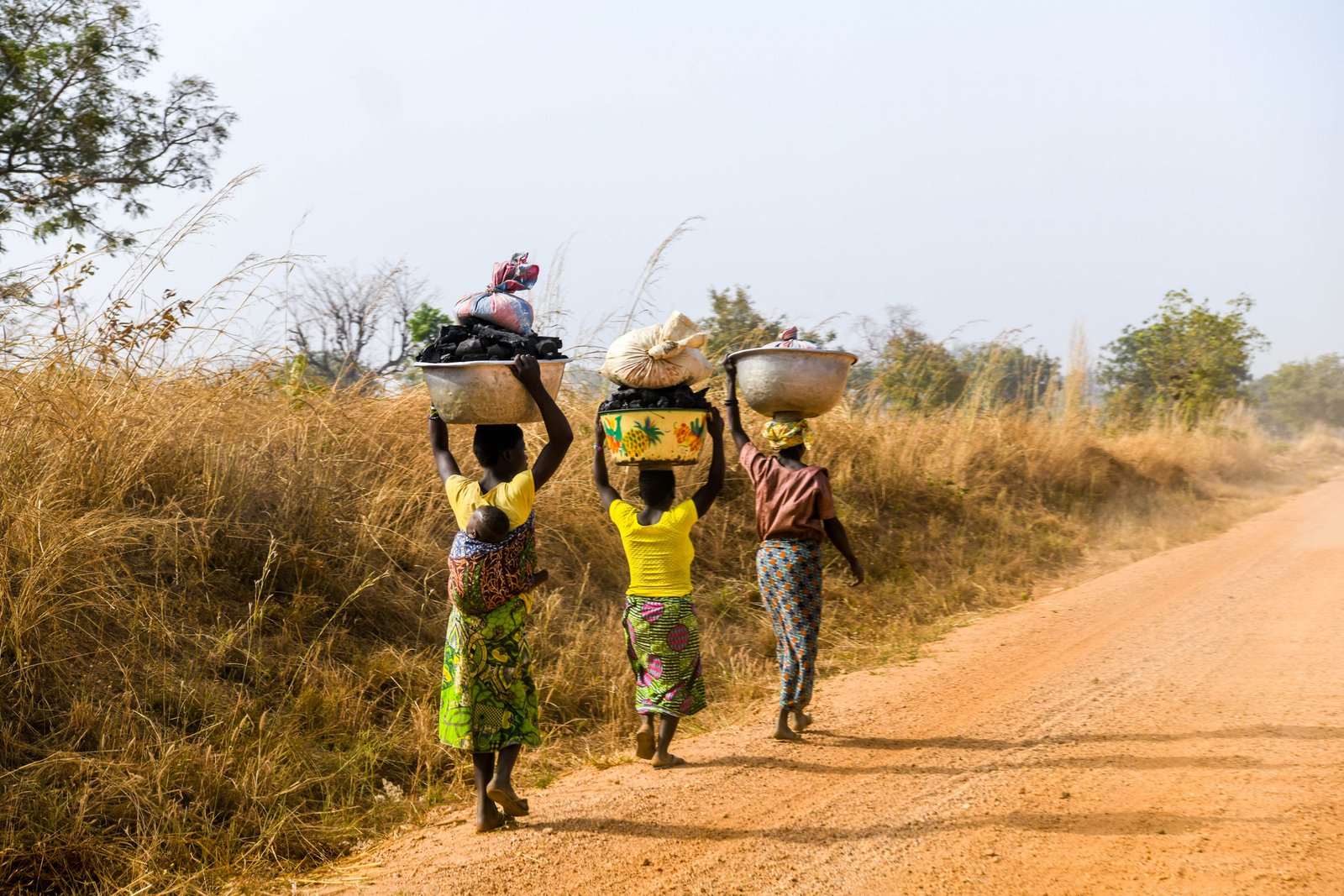
At its best, SSC offers a corrective to the older donor-recipient model. It suggests that countries in the Global South are not simply passive recipients of knowledge, finance, or policy advice but active producers of ideas, institutions, development pathways, and locally implemented solutions.
This is especially important in Africa, where development partnerships are increasingly being renegotiated in a more crowded field of actors and interests than in past decades.
Yet the Global South is not a unified bloc. It is politically diverse, and often internally competitive. China and India embody two distinct visions of how global influence can be built.
China builds influence in concrete, steel, and fibre optics
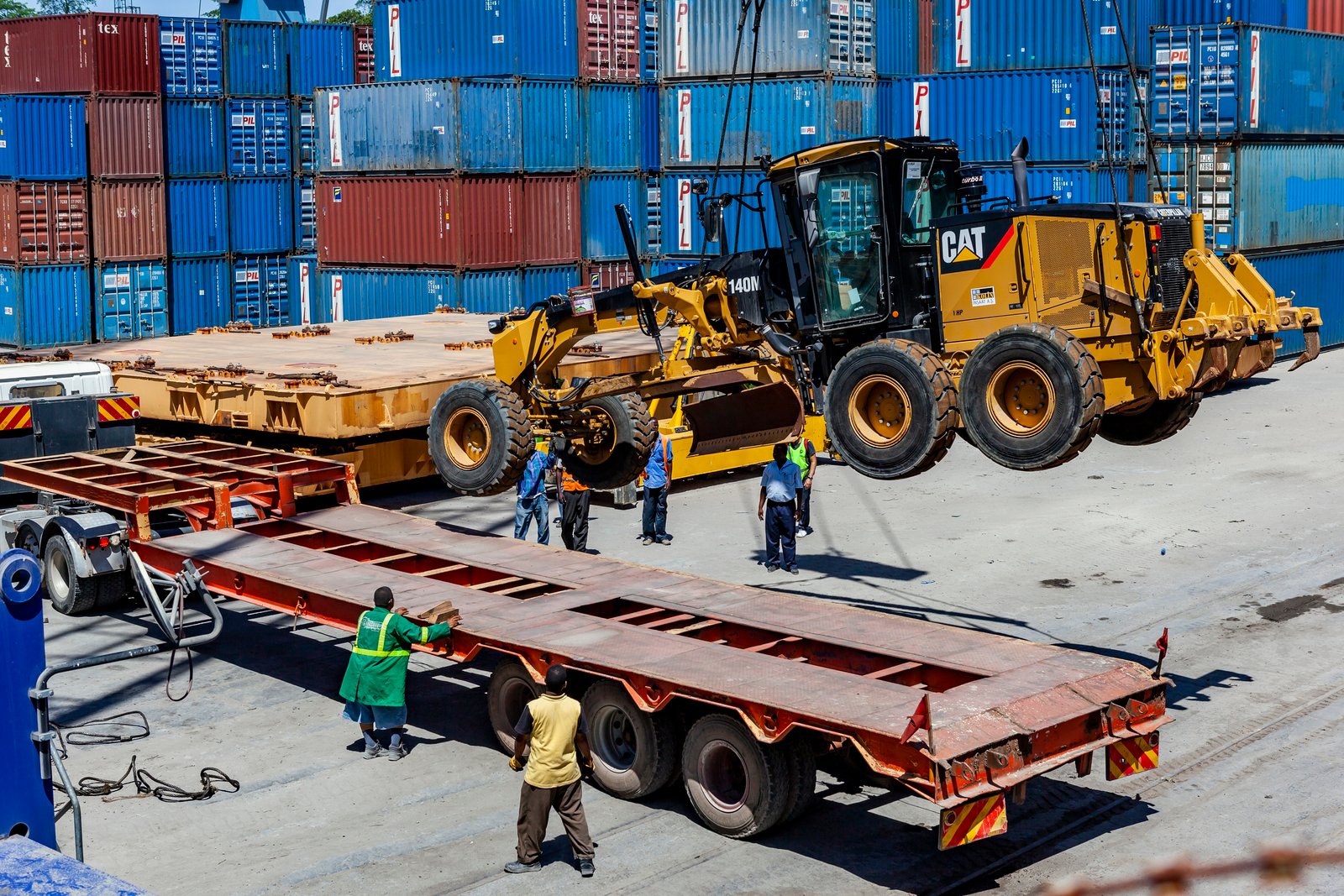
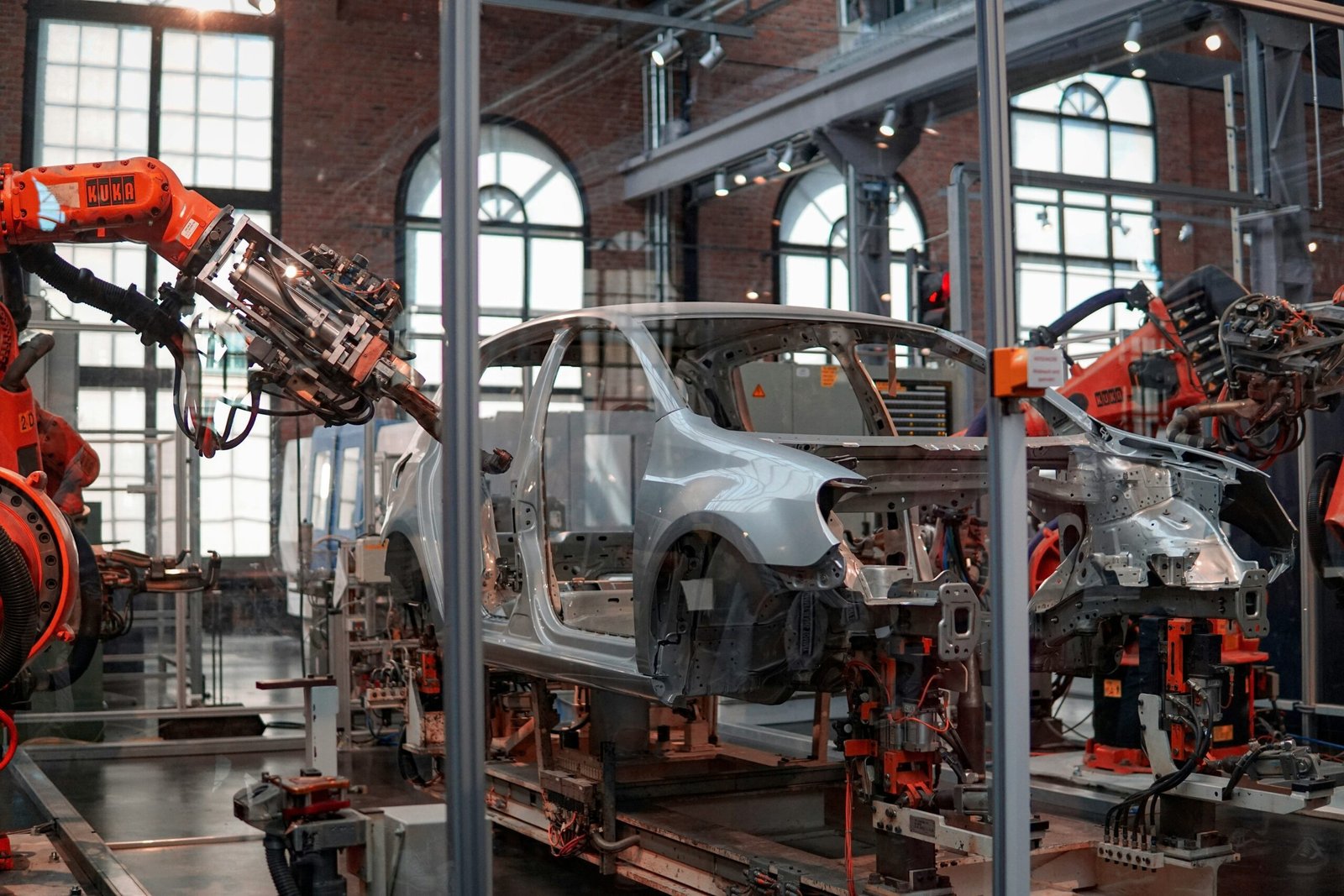
China’s role is most visible in infrastructure. Through the Belt and Road Initiative (BRI), Beijing has financed and built roads, railways, ports, energy projects, and digital networks across Africa, Asia, Latin America, and beyond. This is not just development finance: infrastructure under the BRI has geopolitical connotations.
By creating connectivity, opening markets, and expanding state capacity in some contexts, infrastructure strengthens Beijing’s global presence. The appeal is obvious for governments seeking visible, large-scale projects, especially where Western donors have been reluctant to invest, and Chinese-backed projects are seen as faster to deliver.
But Chinese infrastructural power also raises concerns about debt burdens, opaque contracts, ecological risks, and long-term dependency, as Kenya’s Standard Gauge Railway project illustrates. The BRI captures the central paradox of contemporary SSC: it may widen options for developing countries while generating new forms of power asymmetry.
India’s influence travels through pharmacies, training, and frugal innovation
India’s global role follows a different path. In Africa, Indian diplomacy is rooted in a longer historical narrative of diaspora ties, non-alignment, anti-racism, and postcolonial partnership. Rather than building mega-infrastructure projects, New Delhi has prioritized healthcare, pharmaceuticals, training, and technical capacity. Its status as the ‘world’s pharmacy’ reflects a model anchored in affordability and access.
By distributing vaccines and generic medicines, India has helped address persistent inequities in global health. Its influence comes not from bridges, ports, or railways, but from providing life-saving goods and services at scale and low cost.
This is a formidable type of soft power. India also increasingly ties these contributions to broader normative claims: health as a public good, equity as a central principle, and Development Compact as a model grounded in non-interference and national ownership rather than conditionality.
India’s development cooperation model is often framed in terms of partnership and postcolonial solidarity. Through the Indian Technical and Economic Cooperation (ITEC) programme, growing engagement in UN bodies, BRICS, the G20, and the India-Africa Forum Summits, New Delhi is projecting a model centered on skills, frugal innovation, digital financial inclusion, and institutional partnerships, rather than sheer financial muscle and logistical capacity.
That does not necessarily make India’s engagement neutral or altruistic. New Delhi has strategic interests of its own, including promoting its private sector. But India’s development footprint, especially in Africa, operates through different mechanisms than China’s.
Two distinct models of power
China and India show that the future of global development will not be organized around a single ‘Southern alternative’. What is emerging instead is a more plural and competitive global order, also marked by new inequalities.
China’s infrastructure-centered diplomacy and India’s education and health-oriented activities represent distinct forms of influence. Both challenge Western-led development models and expand the room for manoeuvre available to many low-income countries.
Strengthened SSC does not mean a clean break from the past, as it does not automatically dissolve power asymmetries. While it can reproduce dependence in new forms, SSC can also widen policy space and potentially strengthen the bargaining power of smaller Global South economies.
Rivalry between China and India, uneven institutional development, opaque bargains, and shifting political alignments complicate the idea that the Global South is constructing a seamless or coherent alternative.
A contest over the meaning of ‘development’
The real question is whether SSC can produce more equitable, sustainable, politically accountable, and truly win-win outcomes. Can it strengthen domestic institutions rather than bypass them? Can it promote African agency rather than simply replace one hierarchy with another? As cuts to official development assistance create financing gaps, can SSC step in at a sufficient scale and on equitable terms?
The answer remains open. What is clear is that global governance can no longer be understood only through the lens of Washington, Brussels, Oslo, or New York. It must also be read through Beijing and New Delhi. Infrastructure and healthcare are now central arenas where power, legitimacy, and the meaning of international development cooperation are being renegotiated.
This article is part of a series co-published by GlobalDev and UNU-WIDER that covers research papers accepted to the 2026 WIDER Development Conference on green industrialization and inclusive growth in a fractured world order. It is also available on the UNU-WIDER blog.
(The views expressed in this piece are those of the author(s), and do not necessarily reflect the views of the Institute or the United Nations University, nor the programme/project donors)