As emerging economies design climate finance frameworks to channel trillions into their net-zero transitions, early decisions and rules will determine who can access capital and who pays the hidden costs. Research shows that climate impacts and adaptive capacity vary by gender, yet financial frameworks often assume neutrality. India’s proposed new system serves as a stress test for whether finance rules can internalize these realities before markets harden around oversimplified “green” labels.
Emerging and developing economies must mobilize more than $1 trillion a year in clean energy investment by 2050 to stay on track for global climate goals and reach net-zero emissions. India alone estimates it will require roughly $2.5 trillion between 2015 and 2030 to meet its climate commitments. Much of this capital will be directed through climate finance taxonomies—regulatory frameworks that define which activities qualify as “green”, and determine eligibility for sovereign borrowing, development finance, green bonds, and private investment. Once defined, financial institutions align their risk models and portfolios accordingly. Early rules shape long-term capital flows.
Public finance research shows that early fiscal design creates path dependence: markets adapt to initial rules, and later correction becomes expensive and difficult to implement. A recent Global Development Network working paper highlights how fiscal commitments and regulatory design influence long-run investment trajectories and political feasibility. If taxonomies do not reflect what research tells us about gender and climate risk, inequality risks being embedded into the architecture of the transition itself.
Climate impacts and the time poverty trap
The IPCC Sixth Assessment Report (Working Group II) concludes with high confidence that climate change exacerbates existing gender inequalities, particularly in contexts marked by poverty and unequal asset ownership. Climate shocks interact with pre-existing labor burdens and constrained adaptive capacity.
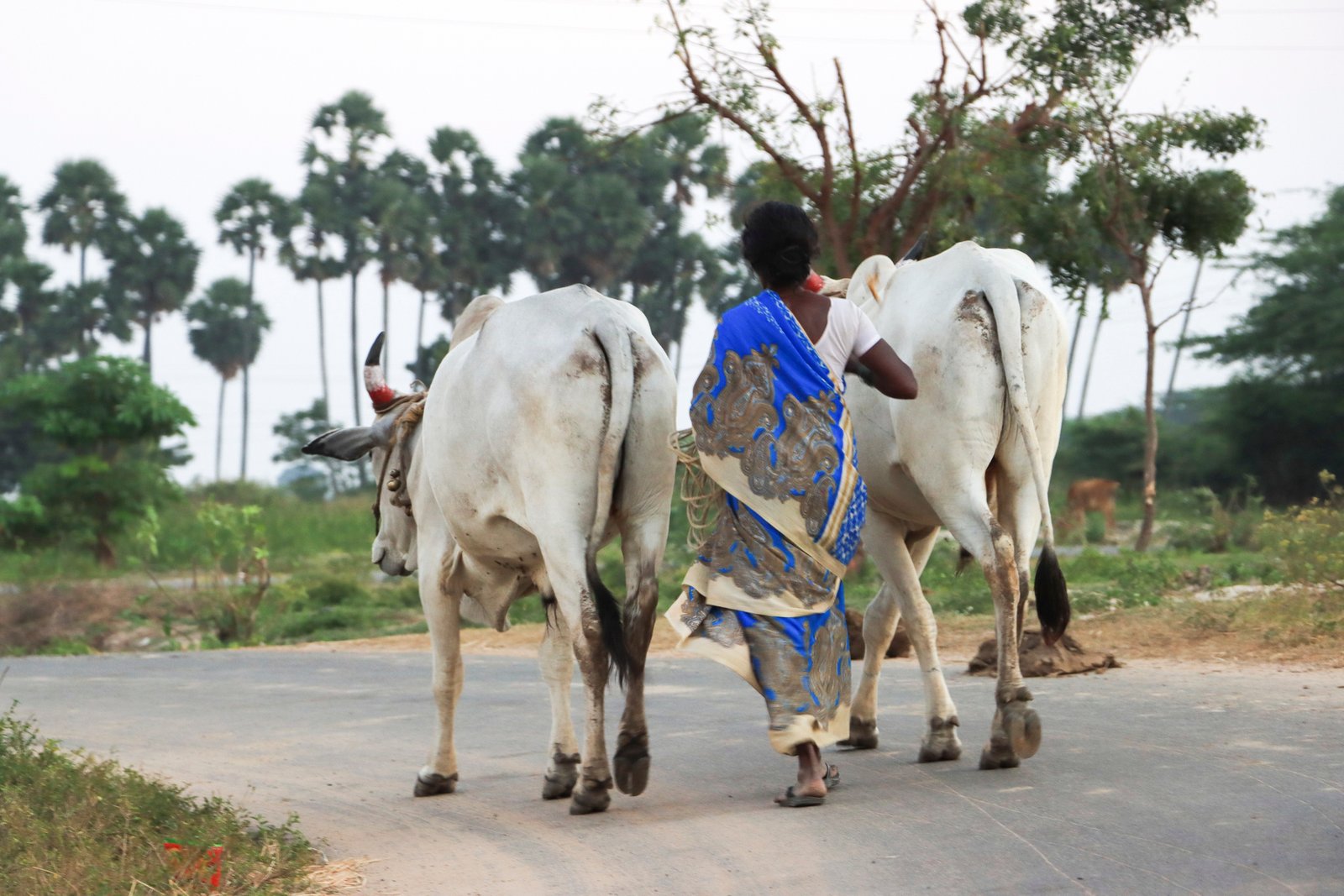
Globally, women perform nearly three times more unpaid care and domestic work than men. In India, survey evidence from 2019 shows that women spend almost five hours per day on unpaid domestic and caregiving tasks, compared with under two hours for men. These patterns are not peripheral: they shape economic participation.
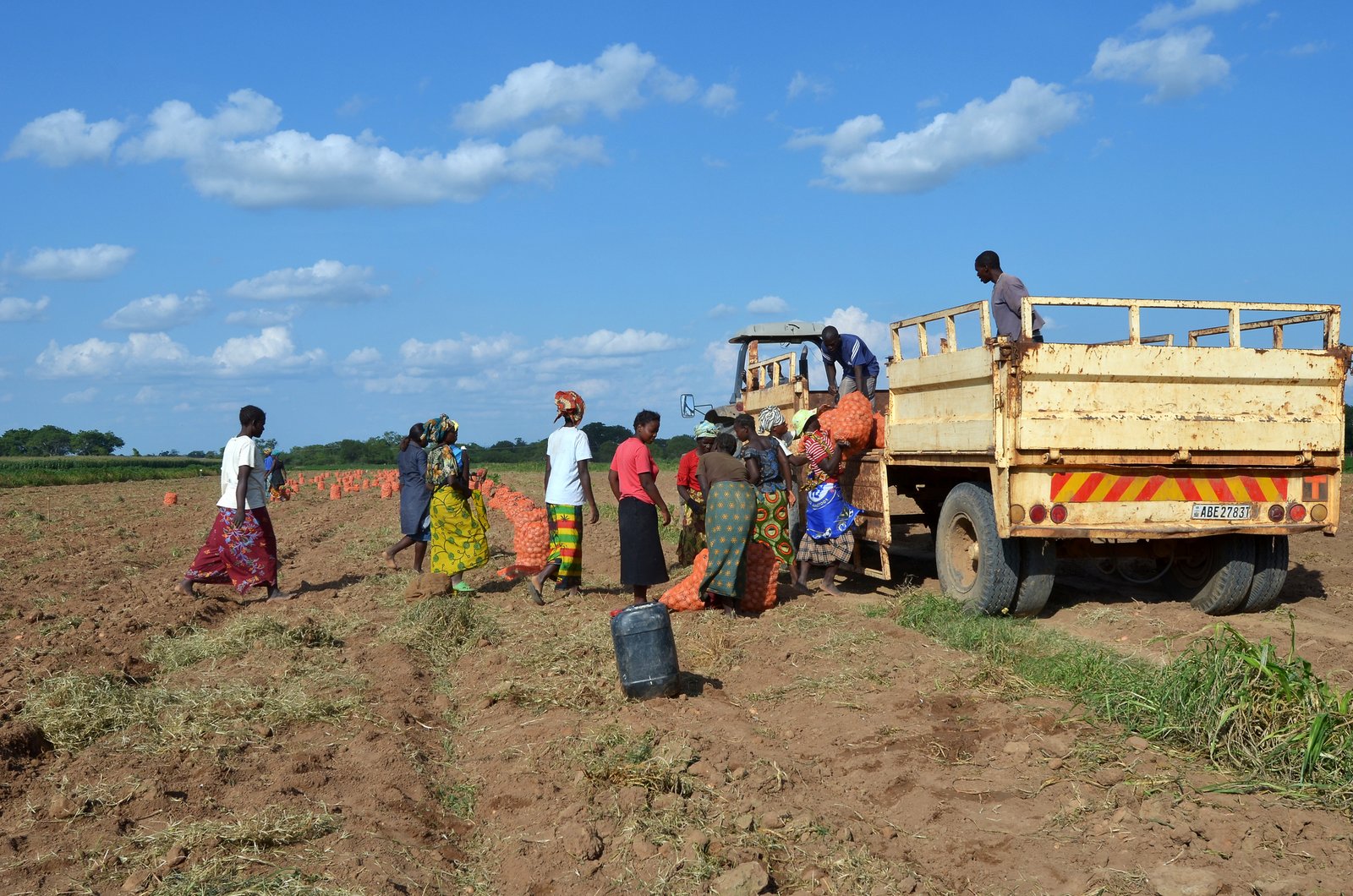
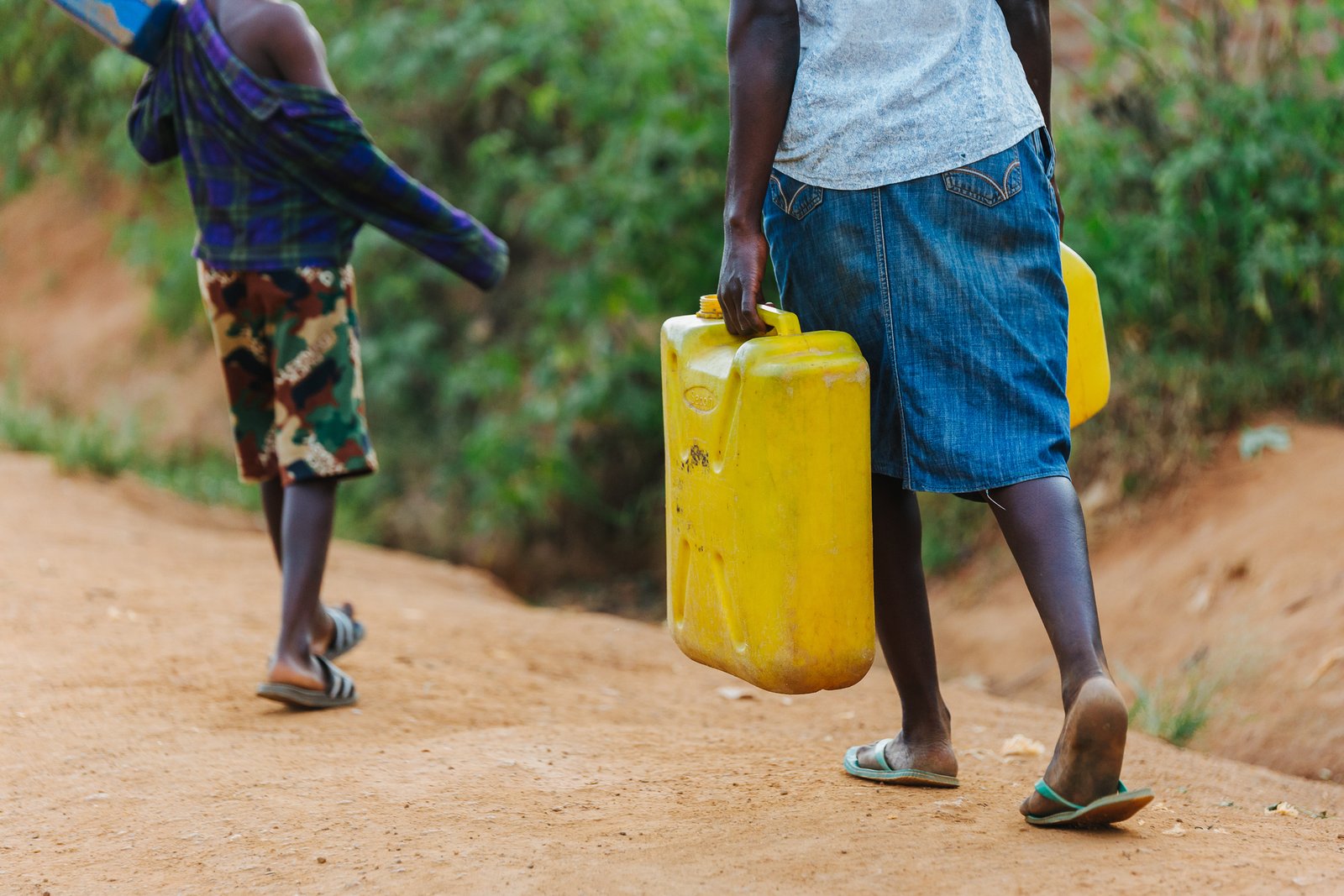
Climate stress, such as droughts and water scarcity, raises the time required for water and fuel collection. Male out-migration in response to climate shocks frequently expands women’s agricultural and care responsibilities. In informal economies with limited social protection, households often adjust not through labor market mobility, but through unpaid labor reallocation.
If mitigation or adaptation policies alter energy access, irrigation systems, or agricultural practices in ways that increase time poverty, the real economic cost of transition exceeds what emissions metrics capture. Time poverty constrains labor force participation and productivity. Ignoring gendered labor burdens risks overstating both the efficiency and feasibility of climate policy.
Asset inequality as a transition risk
Climate policy also hinges on who owns assets that can serve as collateral. Access to green finance often requires secure land or documented assets. However, once again gender gaps remain stark. In India, women account for only about 13–14% of operational agricultural landholdings. Globally, persistent gaps in land ownership limit women’s access to formal credit.
This poses a transition risk. Development economics has long shown that asset control shapes investment behavior. When women control assets, spending patterns shift toward nutrition, education, and long-term resilience. When collateral is distributed unequally, access to credit follows the same pattern.
Climate finance instruments—from solar irrigation to climate-resilient agriculture—frequently rely on formal ownership documentation. If taxonomy eligibility and lending criteria assume equal asset access, capital allocation will mirror existing inequalities. The result is underutilized adaptive capacity and slower technology uptake, weakening the green transition overall.
Beyond safeguards: why design matters
Once climate taxonomies are embedded in disclosure norms and lending rules, markets align and gradually “harden” around them. Adjusting definitions later requires regulatory revision and potentially costly corrective measures. Research on climate and energy policy shows that credible long-term commitment improves investment outcomes, while discretionary revisions and late policy adjustments can distort capital allocation and reduce positive outcomes.
Several places already recognize that environmental objectives cannot be pursued in isolation from social safeguards. The EU Taxonomy Regulation requires that activities comply with minimum social and governance safeguards — including human and labor rights standards — as part of eligibility criteria. India’s draft Climate Finance Taxonomy similarly incorporates a principle, allowing safeguards to ensure that addressing one objective does not undermine others.
However, some emerging economies have moved beyond safeguards toward explicit gender integration. Mexico’s 2023 Sustainable Taxonomy includes gender equality as a core objective alongside climate mitigation and adaptation, making it one of the first national taxonomies to formally integrate gender into sustainable finance classification. In the Philippines, the Department of Finance has actively advanced gender-responsive climate finance approaches, including gender criteria within national climate adaptation financing mechanisms such as the People’s Survival Fund.
These examples illustrate a spectrum. While EU and Indian frameworks acknowledge the importance of safeguards, Mexico and the Philippines treat gender not merely as a constraint to avoid harm, but as a parameter shaping financial design.
Embedding gender-differentiated impact assessments and asset access diagnostics at the taxonomy stage is fiscally prudent. It means incorporating time-use implications into cost–benefit analysis, identifying eligibility criteria that exclude asset-poor groups, and broadening qualifying investments to include care infrastructure and women-owned enterprises that enhance resilience. Such measures improve fiscal accuracy by ensuring that hidden adjustment costs are recognized before capital flows are locked in.
India as a stress test for the Global South
India’s draft Climate Finance Taxonomy is noteworthy for its transition-based approach, acknowledging development sequencing and energy security needs shared across the Global South. As economies with high informality and unequal asset distribution write the new rules of climate capitalism, they face a choice.
If these rules focus solely on sectors and mitigation pathways, they risk solidifying investment patterns around assumptions of neutrality. If they embed requirements to measure social outcomes—including gendered impacts, time-use implications, and asset access—they can set a new benchmark for inclusive transition design.
Similar taxonomies are emerging across the Association of Southeast Asian Nations (ASEAN) as well as other regions facing high informality, limited fiscal space, unequal asset distribution, and acute climate vulnerability. This means that India’s framework offers a useful test case: can climate finance architecture in emerging economies integrate development priorities and distributional realities simultaneously?
The most cost-effective time to incorporate this evidence is now. Net-zero transitions will succeed not only when emissions fall, but when households and small enterprises can participate without absorbing hidden burdens. Designing climate finance taxonomies that account for gender is central to building economically sound and politically durable climate strategies. The window to get this right is now—once taxonomies solidify, the cost of overlooking gender will be embedded into budgets and markets for years to come.