India has achieved near gender parity in education, yet large gaps persist in women’s employment, earnings, and decision-making power. This challenges a long-standing policy assumption: that equalizing access to education will naturally translate into equal economic outcomes. Evidence from India suggests that, along with the various other supply and demand-side constraints, deeply embedded social norms continue to constrain women’s opportunities, even among the educated.
A critical policy question then arises: if improving human capital is not enough, what works to shift restrictive gender norms and expand women’s economic participation?
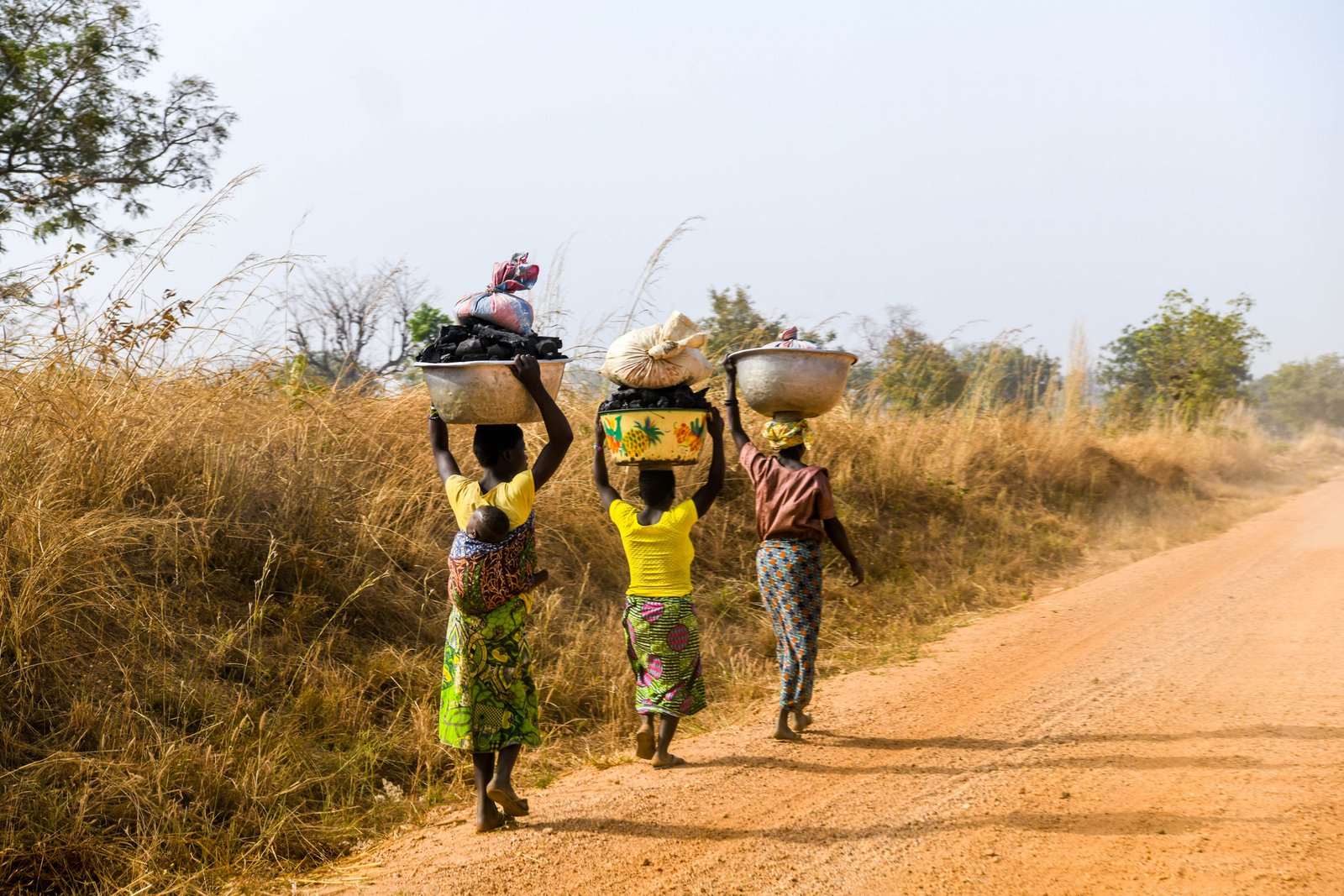
In India, despite recent advances, women’s labor force participation remains substantially lower than men’s, and women are more likely to be in low-paid work. These gaps persist despite major gains in education and improvements in access to public services.
This points to a central policy challenge. While governments have effective tools to expand education and service access, a key concern remains in identifying which social norms matter most for women’s participation in the labor market—and how to shift them. Evidence increasingly shows that investments in human capital are necessary but insufficient to close gender gaps in economic outcomes.
It is in this context that we examine a targeted, early-intervention program launched by UNICEF in the late 1990s. Our study evaluates the medium-term impact of Meena Manch—a large-scale school-based initiative designed to shift gender attitudes during the period of adolescence—in Uttar Pradesh and Bihar, two of the most populous states, accounting for a quarter of India’s population.
Who is Meena?
Meena Manch is a multinational human rights intervention campaign, employing a multimedia ‘entertainment-education’ strategy. It centres on the stories of an imaginary nine-year-old girl named Meena, her brother Raju, and her pet parrot Mithu. Through radio shows, television stories, comic books, and student-led activities, the program encourages more equal attitudes towards girls’ education, health, mobility, and status.
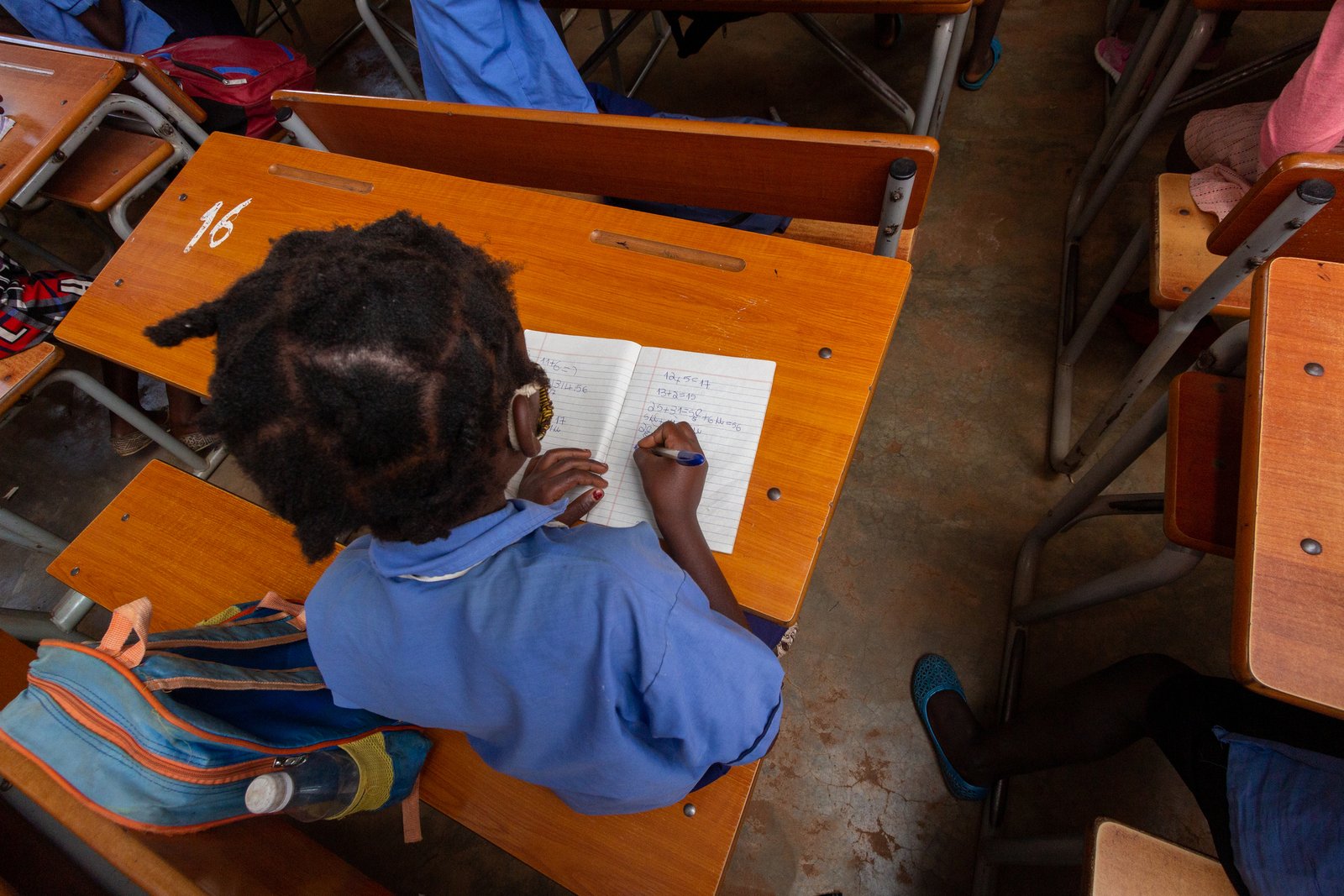
Over time, the initiative expanded beyond entertainment. It introduced a children’s parliament (Bal Sansad) and ‘Power Angels’—girl leaders who guide weekly discussions on issues such as hygiene, child marriage, and education. In this way, Meena Manch aims not only to raise awareness but also to build girls’ confidence, leadership, and aspirations from an early age.
What changes for girls?
Using the Understanding the Lives of Adolescents and Young Adults (UDAYA) survey, we trace participants from adolescence into adulthood, aged 18-22, and find persistent, positive effects for young women. These changes point to shifts in underlying gender norms that shape women’s agency, aspirations, and participation in economic life.
Girls who participated in Meena Manch are seven percentage points more likely to be in paid work in adulthood, compared to those who did not participate. They are 19 percentage points more likely to have completed higher secondary school, and around 9 percentage points more likely to pursue vocational training.
Exposure to the program also reduced the amount of time women spent on unpaid care work and increased paid work by an average of 25 minutes a day. Young women were five percentage points more likely to express interest in male-dominated or non-traditional careers, such as engineering, law, or the armed forces.
Breaking barriers: mobility and self-efficacy
These economic gains appear to be driven mainly by stronger agency and increased mobility. Participation in Meena Manch substantially improves self-efficacy with young women reporting greater confidence in choosing their clothing, resolving family conflicts, and expressing their career aspirations. The program also improves women’s mobility, a major barrier to women’s employment. Participants of the program are four to six percentage points more likely to have the freedom to visit markets, health facilities, or friends outside their village alone.
These effects are particularly important because adolescence is a critical period for shaping social norms and expectations, and peer-based school environments provide a space where these norms can be questioned and redefined.
Meena Manch also moved the needle on progressive gender attitudes. Participants were more likely to disagree with statements like ‘childcare is solely the mother’s responsibility’ and ‘boys need to be educated more’.
However, we did not find any important change in boys’ attitudes. This could be because the content remained heavily focused on female characters and the rights of girls, which likely led boys to view the program as less relevant to them. This suggests that for gender norms and attitudes to truly shift at a societal level, future interventions must engage boys as active participants rather than passive observers.
A scalable model for change
The strength of Meena Manch lies in its low-cost and scalable design. By using existing school infrastructure and simple tools like comic books, radio, and regular peer-guided interaction, it avoids the need for costly new systems or resources.
As policymakers search for ways to boost women’s labor force participation and close other gender gaps, Meena Manch offers a clear lesson: investing in adolescent girls’ mindsets is a powerful economic lever. The program improves paid work, educational attainment, and vocational training, while also strengthening self-efficacy, mobility, and gender attitudes. As more girls now stay in school longer, similar programs can reach large numbers of adolescents at relatively low cost. By empowering girls to see themselves as leaders and earners early on, similar interventions can help create lasting ripple effects well into adulthood.
This article is part of a series co-published by GlobalDev and UNU-WIDER that covers research papers accepted to the 2026 WIDER Development Conference on green industrialization and inclusive growth in a fractured world order. It is also available on the UNU-WIDER blog.
(The views expressed in this piece are those of the author(s), and do not necessarily reflect the views of the Institute or the United Nations University, nor the programme/project donors)