In drought-prone Naogaon, Bangladesh, water insecurity threatens both ecosystems and livelihoods. When drinking water and irrigation become unreliable, households face shrinking livelihood options, rising care burdens, and difficult decisions about whether to stay put, migrate temporarily, or relocate. Policymakers must invest in water security and local public services before movement becomes a distress response.
Debates about climate mobility often begin after people have already left their homes. But in northern Bangladesh, the decisive pressures can build much earlier: a pond dries, groundwater becomes harder or more expensive to access, irrigation becomes unreliable, crops fail, debt rises, and a household member leaves temporarily to work elsewhere. The central policy question is not simply how many people climate change will displace, but whether households still have a meaningful choice about staying, moving, or returning.
Naogaon is a useful place to examine this question because much of the district lies in the drought-prone Barind region. Research on droughts in Naogaon identifies food insecurity and wider economic, social, and environmental risks associated with severe drought. Experts working with the GO4IMPact program describe Dhamoirhat and Niamatpur as facing prolonged drought, extreme heat, erratic rainfall, and a declining groundwater table, with water scarcity threatening farming livelihoods and food security.
Water insecurity can become a mobility pressure
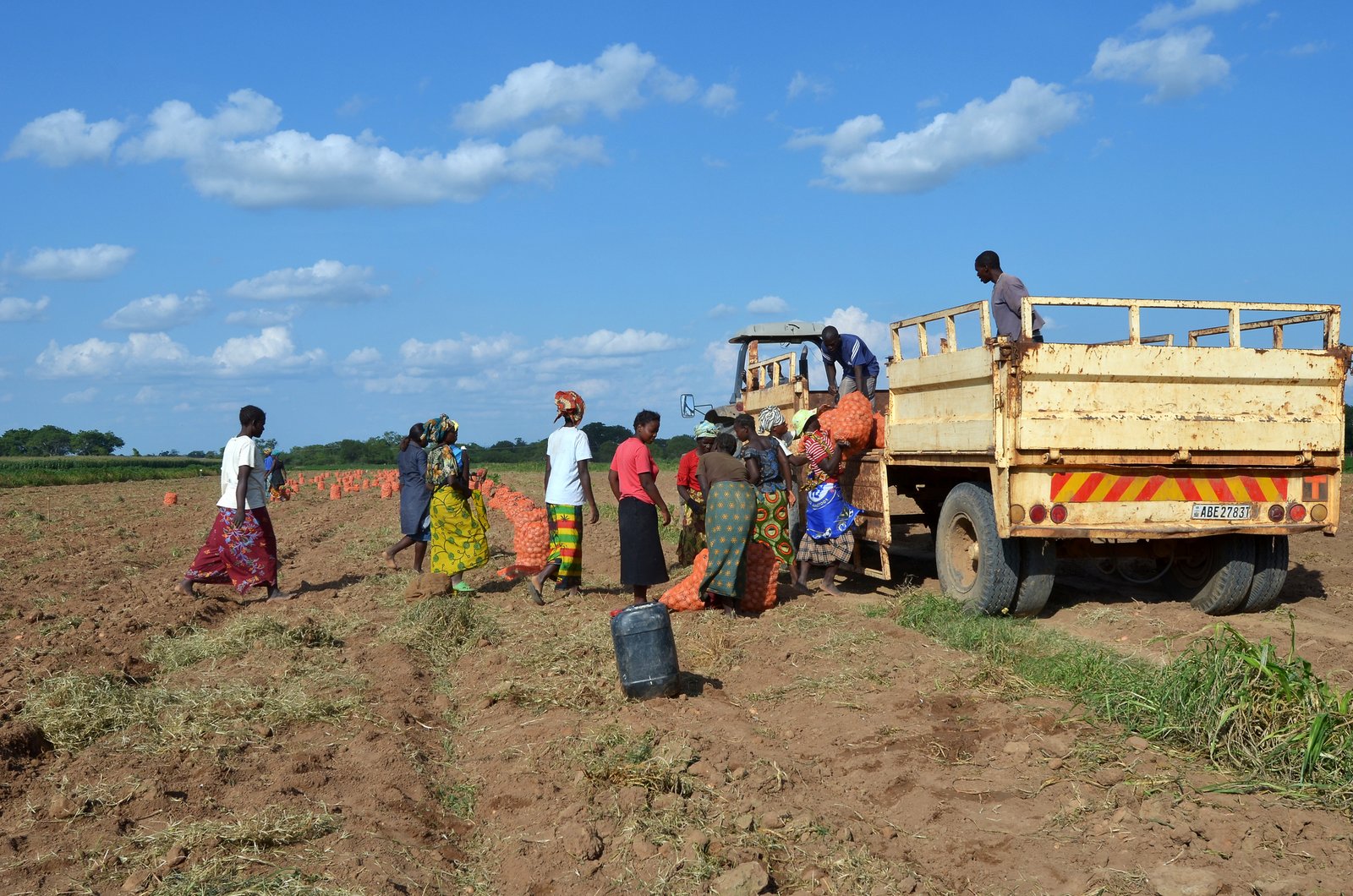
The connection between water insecurity and mobility is already visible in northwest Bangladesh. A study of Santal communities in Porsha, Naogaon found that households responded to drought by changing crops, reducing water use, travelling farther for water, and even migrating temporarily to larger cities for alternative livelihoods.
A separate study of integrated water resource management in the Barind Tract links water stress, disrupted farming, poverty, and crop failure with migration pressure. These studies do not suggest that every water-insecure household will migrate. However, they show something more useful for policy: water insecurity can narrow livelihood options until mobility becomes part of a household survival strategy.
This is the climate-mobility challenge that deserves more attention. Drought and declining water availability alter the range of choices available to households. One family may send a member away seasonally, another may shift crops and stay, while another may be unable to move even when local livelihoods become untenable. The important variable is not movement alone, but the degree of agency behind it.
Water services can widen choices before displacement
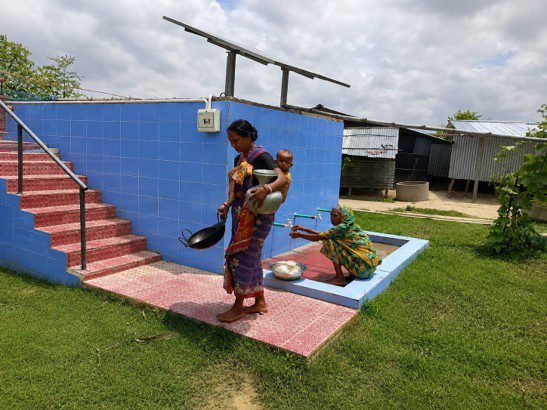
Climate-resilient public services matter to mobility policy. In Dhamoirhat and Niamatpur, the GO4IMPact program is supporting local governments and communities to improve water and waste services through diversified water sources, local infrastructure, and more responsive planning.
The initiative was not designed as a migration program and has not measured migration outcomes. However, its relevance is upstream: if households can access dependable drinking water, irrigation demand is managed efficiently, and local institutions can maintain essential services during periods of drought and heat, people have more room to decide what comes next. Adaptation in place should not be used to keep people from moving. Its purpose should be to prevent mobility from becoming a desperate last resort.
Gender shapes the costs of staying and moving
A ‘gender lens’ is useful, as water insecurity and mobility do not affect all household members in the same way. In our research with women in Jamalpur, climate vulnerability emerged through connected pressures: disrupted food and water access, loss of livelihoods and assets, limited finance and healthcare, heavier care responsibilities, restrictions on mobility and limited participation in decision-making. These pressures shape who can move, who must stay, and who absorbs the costs of either choice.
For climate-mobility policy, this means water investments should, in part, be assessed by whether they reduce time burdens, protect livelihoods, improve safety, and strengthen women’s participation in local decisions. When a male household member migrates for work, women may face greater responsibility for water collection, farming, children, and older relatives. When an entire family moves, women and girls may face new challenges around sanitation, healthcare, employment, and safety. Gender belongs inside mobility analysis, not in a separate section added afterwards.
The Jamuna lesson: measure choice, not movement
Evidence from the Jamuna River basin helps clarify what policymakers should measure. A 2025 panel study found that riverbank erosion more than doubled migration likelihood among affected households, while whole-household moves were often less than 5 km. Another study on involuntary immobility found that 13% of non-migrants could be considered ‘trapped’: they wanted greater mobility but lacked the capability to move.
While the Jamuna area is not the geographic focus of the Naogaon case, it is important comparative evidence showing that both movement and non-movement can reflect constrained choices. A household that remains because water services and livelihoods are viable is in a different position from one that stays because it lacks the money, information, social networks, or physical capacity to move. Likewise, temporary migration for work can be a positive adaptation strategy when it is voluntary and safe, but a sign of distress when it follows livelihood collapse and mounting debt.
Bring water insecurity into climate-mobility planning
Bangladesh already has a National Adaptation Plan (2023-2050) and a National Strategy on Internal Displacement Management. The next step is to connect these frameworks more explicitly at the local level. In drought-prone districts, adaptation planning should track water insecurity alongside mobility patterns: which livelihoods are becoming unviable; who is migrating seasonally; who wants to stay; who wants to move; and who lack the resources to do either safely.
Local governments also need financing and data systems that connect water, agriculture, social protection, and employment. Water service investments should be paired with livelihood diversification, climate-resilient agriculture, skills development, and portable social protection. Where seasonal migration is already common, local planning should support safer movement rather than treating migration as a failure of adaptation.
Climate mobility starts before a person packs a bag. In Naogaon, water insecurity can erode livelihoods and narrow household choices long before displacement becomes visible. Policy should respond at that earlier stage.
Success should be measured by whether people can stay safely when they want to, move with dignity when they need to, and return when conditions allow, not simply by having fewer migrants or by keeping more people in place. Protecting water security is one practical way to protect this freedom of choice.