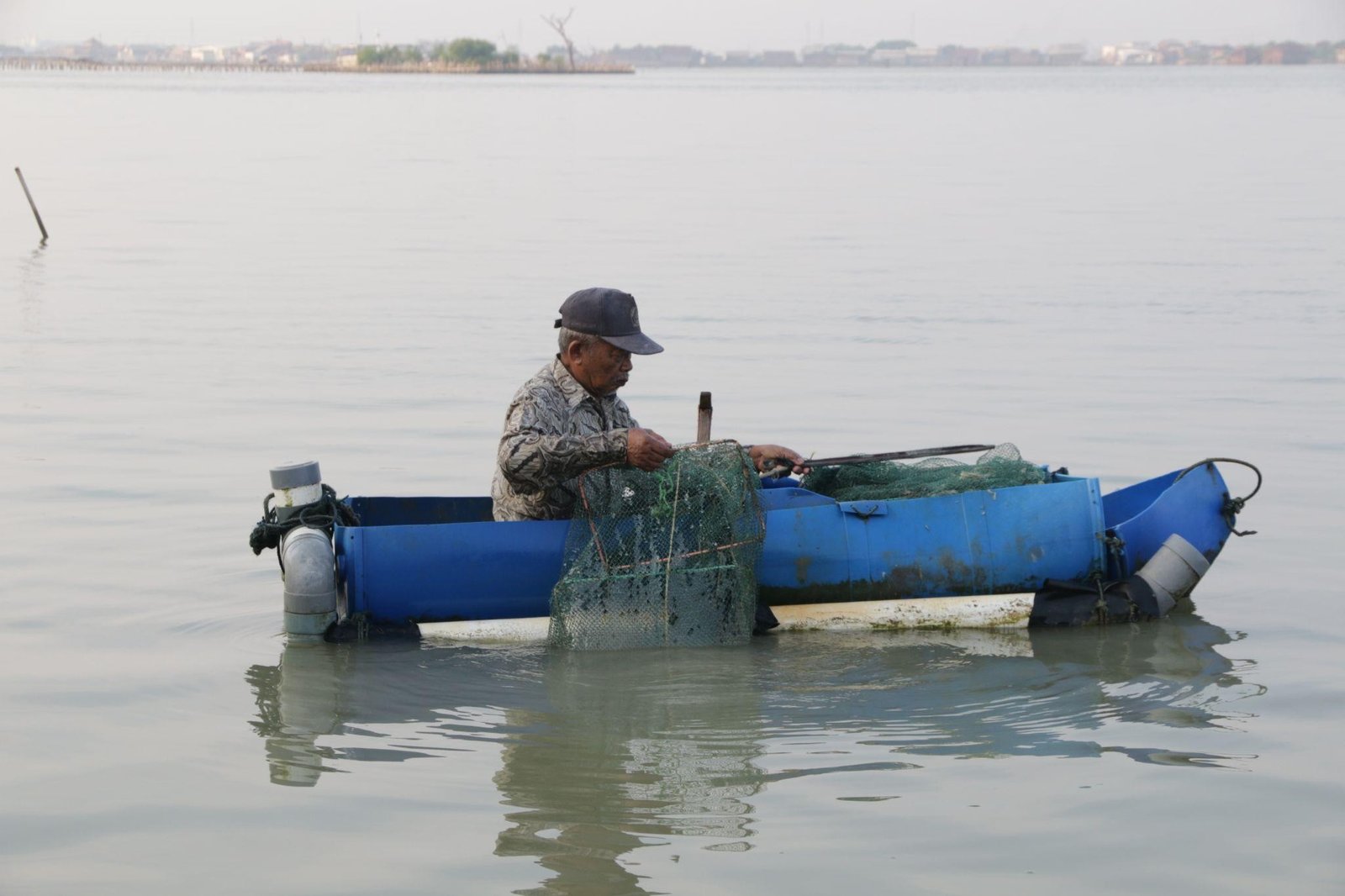
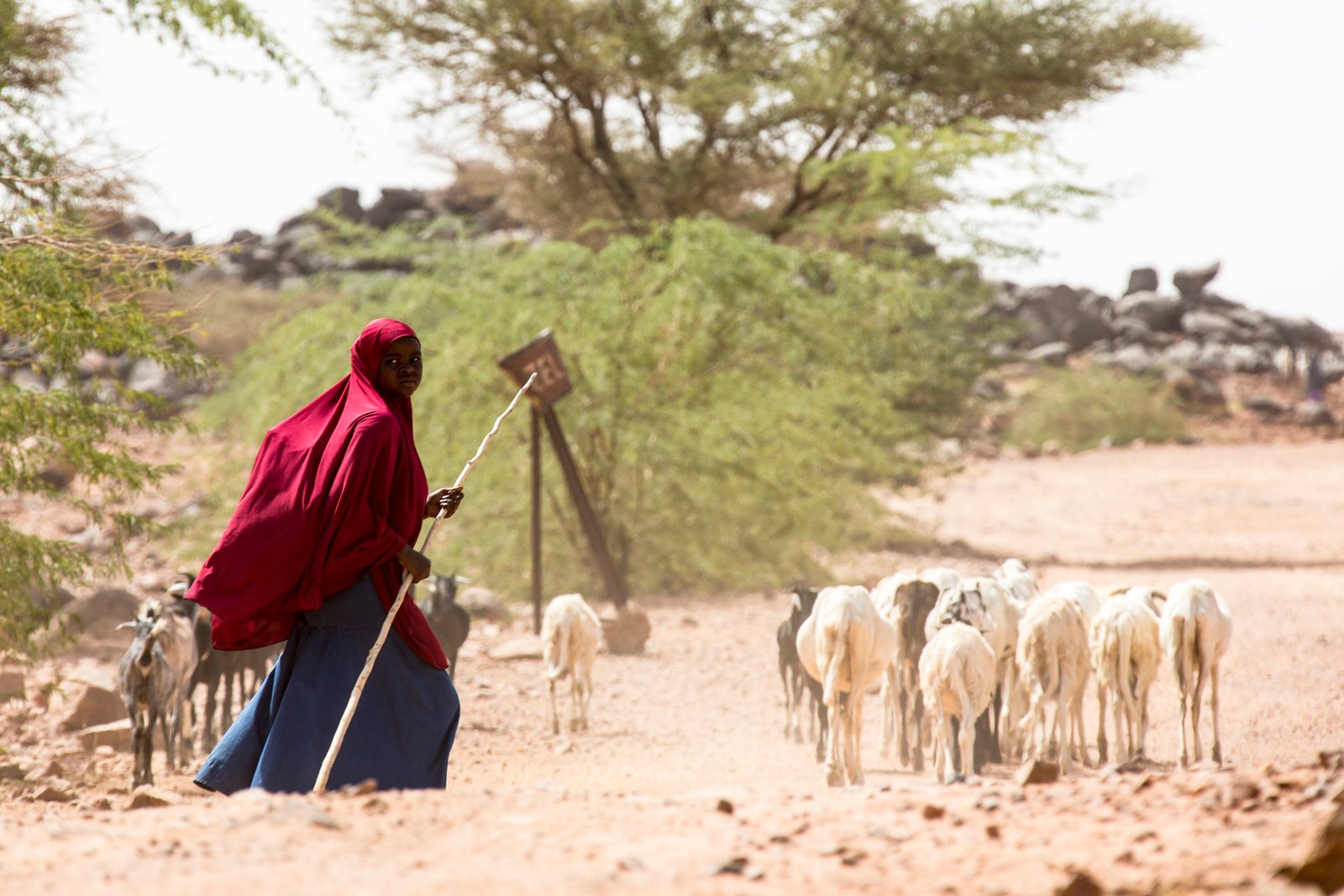
Climate mobility policy focuses on people who move after floods, droughts, and heatwaves. But many exposed households cannot move because care responsibilities keep them in place. Recognizing care as a driver of climate immobility can help policymakers design safer evacuation, relocation, and adaptation systems.
When climate disasters are counted, movement is easier to see than stillness. We count those who crossed a district border, those who entered a shelter, and those who were displaced by flood or cyclone. We rarely count the person who wanted to leave but could not, because someone else’s survival depended on them staying. That absence changes policy.
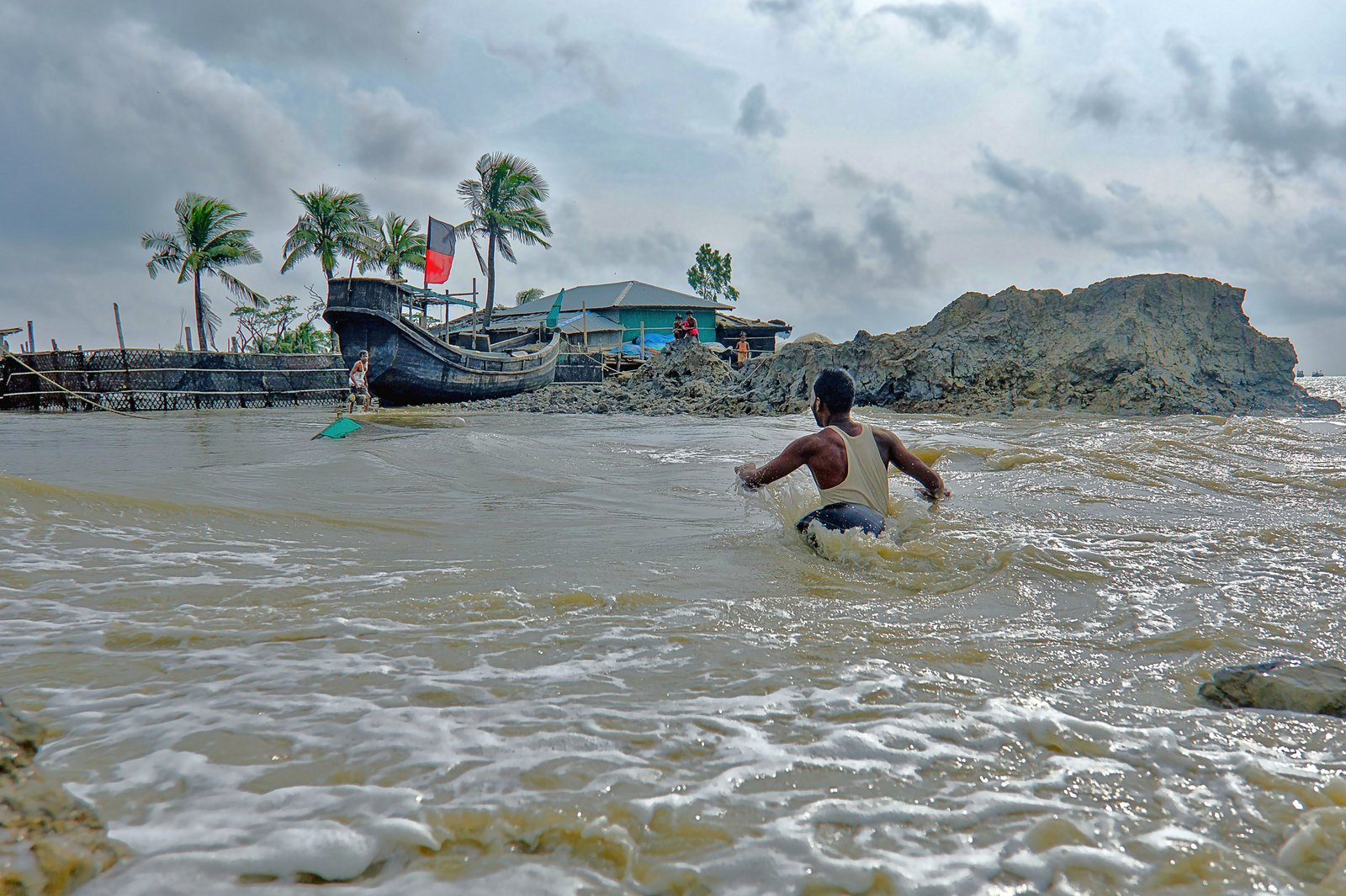
The World Bank’s Groundswell Report warns that climate change could force 216 million people to become internal migrants by 2050. But climate mobility is not only about people who move – it is also about people who stay in unsafe places because no one asked what holds them there.
Beyond the migration binary
Climate mobility research no longer treats migration as an automatic response to climate change. A systematic review of environmental immobility shows a wider spectrum: people move, stay by choice, adapt in place, or find themselves unable to leave.
Researchers have explained immobility through poverty, land ownership, legal status, and lack of transport. These explanations matter. But inside the household, another force often decides whether anyone can move at all: care.
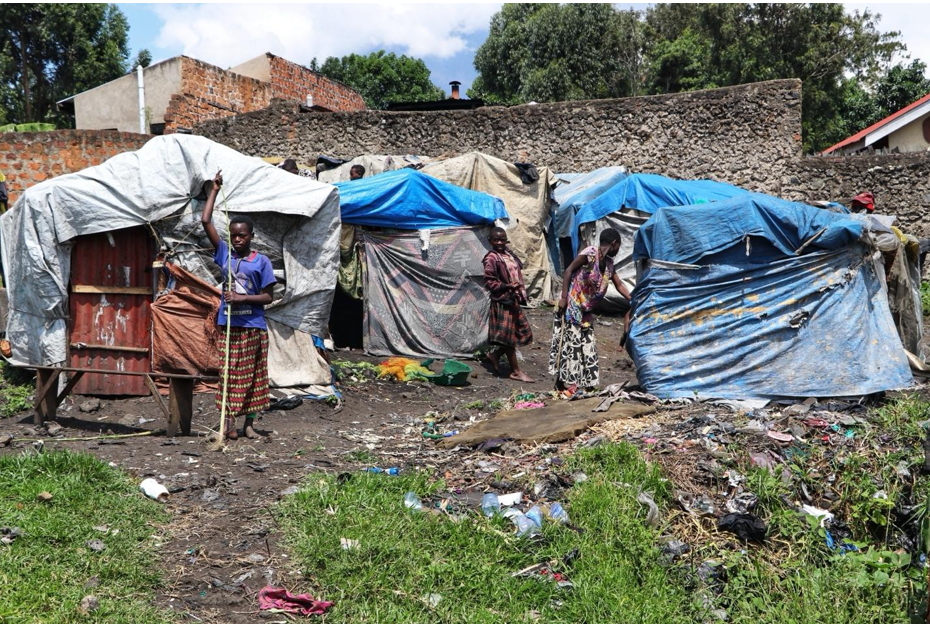
A woman does not evacuate because her father cannot walk. A family stays in a flood-prone house because their child uses a wheelchair and the shelter has no ramp. A pregnant woman stays through a storm because leaving means losing contact with the only clinic she trusts. Each of these scenarios is a policy failure made visible at the household level.
The International Labour Organisation (ILO) estimates that 708 million women are outside the labor force because of unpaid care responsibilities. UN Women’s working paper on the climate care nexus documents how climate shocks push more unpaid care, domestic, and communal work onto women and girls.
Similarly, a scoping review of evacuation barriers confirms that caregiving delays or prevents evacuation, particularly for women. This helps create a vicious cycle. A recent review of climate drivers on maternal health shows that heat, disasters, and disrupted services are linked to preterm birth, low birthweight, and maternal mortality. Staying is dangerous. Moving may also be dangerous. Sometimes there is no safe option – only a calculation of which danger feels less impossible.
Two bodies of evidence exist. One on climate immobility. One on unpaid care. In policy, they still rarely speak to each other.
How care narrows mobility: evidence from Tamil Nadu
The author’s field research in Tamil Nadu brought this pattern into household view. In 2024 and 2025, the author surveyed 391 mothers across all 38 districts of Tamil Nadu in India, while interacting with mothers living with heat, pollution, and caregiving strain.
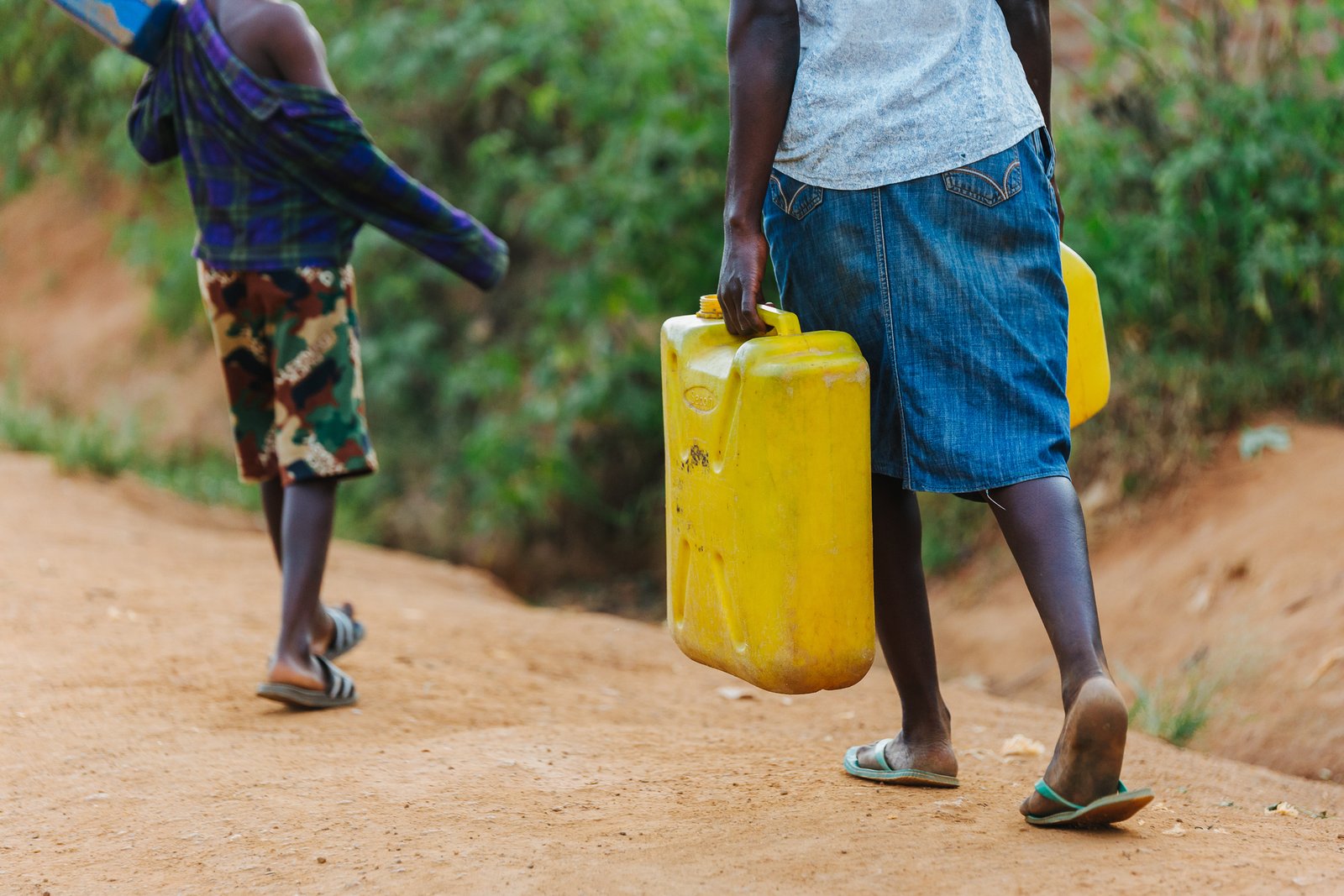
Using a validated mental health screening tool, it was found that 65% of mothers showed mild to moderate depressive symptoms, with heavier strain among mothers caring for children with disabilities. One mother put it plainly: “‘Trapped’ is exactly how I feel.” She had stopped going to the well because neighbors’ stares made her feel blamed and alone. Her immobility was not caused by climate exposure alone. It was produced through the overlap of heat, caregiving responsibility, social stigma, and dependence on nearby water sources and health support. Climate risk had narrowed her world.
Disability and the risk of design failure
Looking at disability cases highlights a false assumption behind many evacuation plans: that every household has someone who can move quickly, hear warnings, board transport, and manage shelter conditions without support.
The United Nations Environment Programme (UNEP) reports that people with disabilities face greater risk in climate emergencies because of limited mobility, communication barriers, and inaccessible infrastructure. Warnings may not reach them in time. Transport may not accommodate them. Shelters may not be built for them. The evacuee imagined by policy often does not resemble the household facing the crisis.
What must policymakers do differently?
The failure of the current system is twofold: not only is care undercounted in climate research, but evacuation, relocation, and adaptation systems are designed as if households have no care obligations. This is a serious problem. In response, policymakers must reform their climate adaptation strategies along three clear lines.
First, climate mobility data must capture immobility as well as displacement. Surveys, assessments, and relocation plans should ask who stayed, why they stayed, who they cared for, and what support they lacked. Care responsibilities, disability, pregnancy, mental health strain, and access to daily support belong in mobility data as variables, not footnotes.
Second, evacuation planning must start from real households. That means transport for people with limited mobility, shelters with accessible toilets and private space, medicine storage, maternal referral links, warnings in multiple formats, and community workers who know which households cannot move without help.
Third, care infrastructure is climate adaptation. As Brookings’s research argues, childcare, elder care, disability support, community health workers, maternal services, and mental health care help determine whether a family can leave safely, stay safely, or recover after displacement. Climate finance should support the provision of these systems alongside roads, embankments, housing, and early warning technology.
Climate mobility policy has learned to ask why people move. It must now ask with the same seriousness why some people cannot. Until care is treated as part of climate adaptation, the people most likely to be left behind will remain there, carrying the crisis quietly.
This blog piece is part of a special series launched in the context of the work that Global Development Network (GDN) is carrying out in close partnership with the Center for Systems Solutions, and Future Earth US global hub, in support of the Belmont Forum’s Collaborative Research Action (CRA) on Integrated Approaches to Human Migration/Mobility.