West Africa’s 6,000 kilometers of coastline supports millions of people and rich ecosystems, yet erosion, sea-level rise and unplanned development are rapidly degrading it. Research from multiple sites across the region shows both the scale of the damage and the practical steps that can still protect these shores. Policymakers who act on this evidence can safeguard livelihoods, biodiversity and critical infrastructure before the losses become irreversible.
Stretching from Mauritania to Nigeria, and including Cape Verde, São Tomé and Príncipe, West Africa’s 6,000 kilometers of coastline is home to some of the continent’s most productive and biodiverse shores.
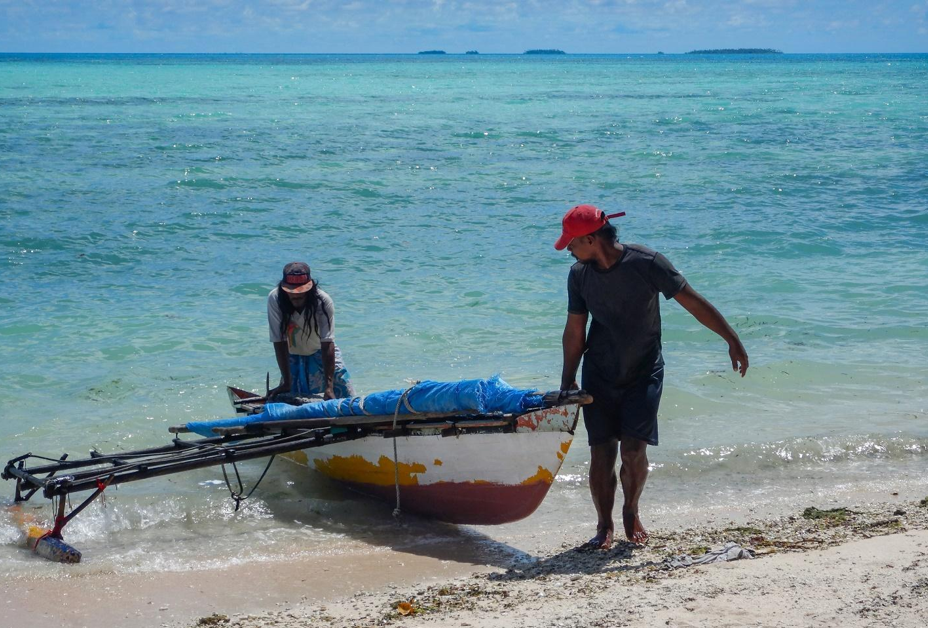
These coasts contain mangroves, lagoons, estuaries, deltas and intertidal zones that provide nursery grounds for fish, habitat for migratory birds, and essential resources for coastal communities. Roughly 31% of the region’s population lives here, and it boasts the majority of its infrastructure.
But these same shores are under growing pressure. Rapid population growth, unplanned urbanization, sand mining, mangrove clearance, and the accelerating effects of climate change mean that this precious ecosystem faces a variety of major challenges.
The scale of shoreline change
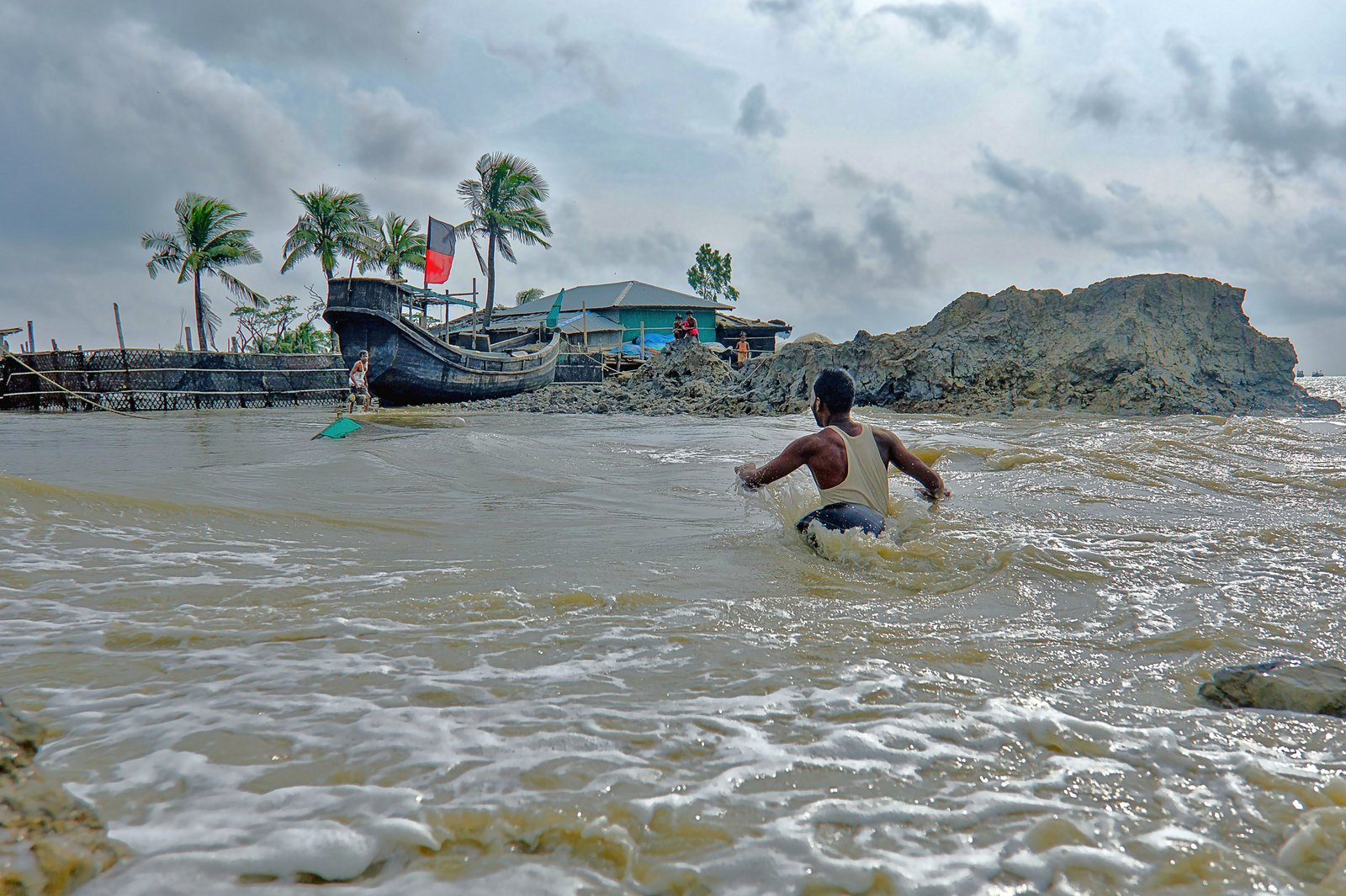
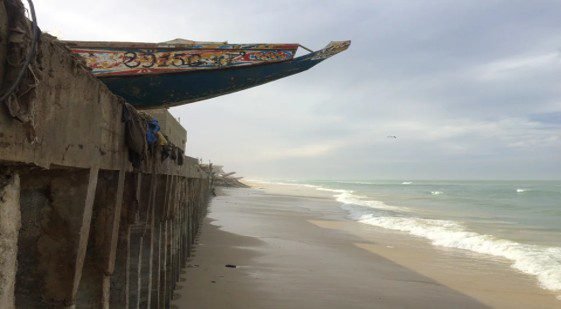
Evidence from multiple sites across the region shows consistent shoreline erosion that is already reshaping lives and landscapes. At Victoria Island in Nigeria, for example, natural processes alone have driven an average retreat of 1.7 meters per year. Further east, the Ada Foah shoreline in Ghana has been eroding since 1926 at an average rate of 3.5 meters per year, resulting in a net loss of more than 280 meters. Between 1974 and 2012, the beaches at Elmina, Cape Coast, and Moree in Ghana retreated at roughly 1.2 meters per year. And in the Nigerian Niger Delta, erosion outweighed accretion between 2010 and 2012, leading to the loss of 9.1 square kilometers of land.
The looming threat to ecological and economic value
The ecological value of these coasts is well documented. Sandy beaches support crabs, bivalves and worms, while rocky shores host seaweeds and associated invertebrates. Mangroves and estuaries serve as critical breeding and nursery areas for commercially important fish and crustaceans, and as feeding and nesting sites for migratory birds.
Similarly, West African estuaries function as essential nursery grounds that help sustain regional marine capture fisheries, which produce an estimated 4–5 million metric tons of fish annually. The West African coast also contains the majority of Africa’s mangroves, supporting high productivity and biodiversity.
Research from across the region shows that the coastlines in Senegal and Mauritania support important mangrove stands and shoreline birds, while Guinea-Bissau, The Gambia and Sierra Leone each contain dense forests rich in shellfish and migratory waterbirds. Ghana’s lagoons and rocky shores act as biodiversity hotspots and fish nurseries, while Nigeria’s Niger Delta remains one of Africa’s largest mangrove systems. These ecosystems also deliver clear socio-economic benefits: they underpin local fisheries, coastal tourism and small-scale industries and contribute significantly to livelihoods and food security across the region.
Yet the very features that make these shores productive also make them vulnerable. The low-lying nature of much of the coastline increases exposure to storm surges and sea-level rise. Rapid migration and unplanned settlements towards the coast intensify pressure on already stressed ecosystems. Agricultural runoff raises nutrient and pesticide levels in estuaries, contributing to eutrophication. Sand mining, disruption of sediment flows and mangrove deforestation accelerate erosion beyond natural rates.
What policymakers in the region should do next
Research from across West Africa shows that reactive, site-by-site engineering is insufficient to mitigate the threats facing the region’s coastline. Indeed, a 2019 World Bank assessment of Benin, Côte d’Ivoire, Senegal and Togo found that about 56% of the coastline is subject to an average erosion rate of 1.8 meters per year, with the cost of coastal degradation reaching $3.8 billion (5.3% of the region’s GDP) in 2017 alone. Local erosion rates can be far higher: up to 5 meters per year in parts of Togo and higher still near ports and dams.
In Ghana, studies of the Accra and Elmina coasts recommend coordinated shoreline management that combines hard structures with softer approaches such as beach nourishment and carefully defined setback lines. Further evidence from Ada Foah and other setback recommendations for the Accra coast supports this approach.
In Senegal and Benin, detailed analysis of shoreline change and past interventions has highlighted the limits of current governance and called for stronger adaptation strategies that integrate protection works with improved planning. Regional reviews emphasize the need for hybrid approaches that combine grey infrastructure with nature-based solutions such as mangrove restoration, dune rehabilitation and beach nourishment.
Similarly, cross-border works between Togo and Benin under the West Africa Coastal Areas (WACA) programme demonstrate the feasibility of combining groynes (coastal defense structures), sand replenishment, and ecosystem restoration over tens of kilometers of shared coastline. WACA and related initiatives also stress the value of nature-based solutions as complements or alternatives to hard engineering, while calling for stronger data systems, community participation and regional cooperation.
Nigeria has begun developing systems to collect and manage meteorological and oceanographic data along the coast. Broader regional reviews recommend treating sediment cells and longshore drift as shared systems that require coordinated management across national borders together with open data exchange, capacity building, and multi-stakeholder planning.
What emerges from this body of work is the need for policies that are proactive, multi-pronged, and grounded in both natural and social science. National governments should establish clear setback zones, regulate sand mining, and protect and restore remaining mangrove stands and coastal wetlands.
Regional cooperation is equally important: sediment cells and longshore drift do not respect national borders, so coordinated monitoring and management across West Africa would improve outcomes.
Local communities must also be involved in the design and implementation of adaptation measures. Top-down engineering projects that ignore local knowledge and livelihoods often fail or create new vulnerabilities.
Finally, investment in long-term data collection, shoreline monitoring, sediment budgets, and socioeconomic indicators will allow policymakers to move from crisis response to planned adaptation. The WACA program (and related initiatives) already demonstrate that combining hard and soft measures, nature-based solutions, community participation, and regional collaboration is both feasible and necessary.
West Africa’s seashores remain highly productive and ecologically significant. They continue to support fisheries, biodiversity and the daily needs of millions of people. But the combined pressures of climate change and human activity are eroding that foundation. The research we and others have conducted shows both the scale of the threat and the practical steps that can still make a difference. Policymakers who act on this evidence can help ensure that these shores continue to sustain communities and ecosystems for decades to come.