Pakistan’s mass expulsion of Afghans, registered and unregistered alike, including women born and raised in Pakistan, is returning them to a country that has legislated women out of public life. Drawing on interviews with Afghan refugees in Pakistan and on broader migration research, this article looks at where the policy falls short. No one is screened for protection risks before removal. The deportations have not delivered the security they promised. And documents that grant rights on paper are refused in practice. Pakistan’s security concerns are real, but current policy makes no distinction between those who pose a risk and the families who do not. Closing these gaps would let it act on the first without uprooting the second.
Afghans have fled across the border into Pakistan for four decades — through the Soviet invasion, civil war and the Taliban’s return in 2021. By 2022, Pakistan hosted around 3 million Afghans, one of the largest refugee populations in the world. Most settled in Khyber Pakhtunkhwa and Balochistan, the provinces along the border, though sizeable communities grew in Punjab and Karachi.
Yet Pakistan has no asylum law of its own and has never signed the 1951 Refugee Convention. Protection was built from administrative arrangements instead. A 1993 agreement lets UNHCR, the UN Refugee Agency, decide refugee status on the government’s behalf, and a registration exercise in 2007 issued Proof of Registration (PoR) cards. Later arrivals received Afghan Citizen Cards or asylum-seeker certificates from UNHCR’s partner SHARP, which Pakistan does not fully recognize; many had nothing at all.
The PoR card used to offer the most protection: temporary legal stay, freedom of movement, and exemption from the Foreigners Act – the law used to detain and deport foreigners. However, Pakistan announced its ‘Illegal Foreigners’ Repatriation Plan’ in October 2023, and extended it to PoR holders on 31 July 2025.
A plan for illegal foreigners is now removing 1.4 million people the state itself had registered as legal. In August 2025, of the roughly 145,000 Afghans who returned to Afghanistan, more than half carried a PoR card. Since the plan began, UNHCR has assisted more than a million returnees — over 280,000 in the first six months of 2026. Fewer than 800,000 registered refugees remain, plus an undocumented population the official counts miss.
As with many other crises, women and children bear the brunt of this challenge. In the first week of July 2026 alone, UNHCR assisted 4,600 returnees: 81% were women and children, over half were minors, and two in five carried PoR cards.
Nearly three-quarters of Afghans in Pakistan are under 28 years old, according to UNHCR registration data. Many of the women now being deported were born and raised in Pakistan and have never lived in Afghanistan. None are screened for protection risks before removal, even though Pakistan has signed the UN Convention against Torture and its repatriation agreement with UNHCR is based on voluntary return.
Registered refugee returnees to Afghanistan in 2026
Gap one: no protection screening
What awaits many of these people is well documented. The UN human rights office reported earlier this year that Afghanistan’s human rights situation continues to deteriorate. Girls are barred from secondary education, women have been struck from public payrolls, and restrictions on female staff have disrupted humanitarian assistance — including support intended for returning families. These conditions are well known. No assessment is made of what returning women will face, and calling these returns ‘repatriation’ hides that gap.
Gap two: a policy that misses its target
Pakistan’s decision did not appear out of nowhere. The deportation drive was announced in October 2023, at the end of the country’s deadliest wave of militant violence in years. Officials argued that Afghan nationals had carried out most of that year’s suicide bombings and that the Afghan Taliban were sheltering members of the Tehreek-e-Taliban Pakistan (TTP). Add a struggling economy and hundreds of thousands of new arrivals after 2021, and the pressure on policymakers was real.
The question is whether mass deportation has helped resolve these issues. Two years on, militant attacks have continued, and Pakistan has turned to air strikes across the border — a sign that expelling refugees did not reach the sources of the violence. Removing families is a blunt tool against militant networks.
Research following Afghan deportees also shows many return to communities where they have few networks, little livelihood, and limited security. A considerable number attempt to migrate again. Deportation often creates cycles of displacement rather than lasting solutions.
Gap three: rights on paper only
In interviews for a study I co-authored at IBA Karachi’s Population Research Centre, I heard the same concern again and again: the fear of deportation was already reshaping everyday life. That fear is created by policy: legal stay is renewed through short extensions and shifting deadlines. It matches comparative research on refugees under restrictive immigration policies, which finds legal-status uncertainty itself causes lasting psychological distress, separate from war trauma.
Many women described avoiding markets, hospitals, and even their children’s schools for fear of police checks. ‘We are born here, and we have lived our whole lives here,’ one participant told us. Another said return meant ‘a state where a female won’t have any identity’. Men worried too — about jobs, savings, housing. But what women described was more fundamental: losing the opportunities, independence, and legal identity built over decades in Pakistan.
Administrative barriers deepen that fear. The State Bank of Pakistan instructed banks in 2019 to accept PoR cards, yet many branches still refuse them; university admission systems often cannot process PoR documentation. One respondent’s sister qualified for medical school, only for the family to find that Sindh’s public medical colleges reserve no seats for Afghan students — her mother sold her jewelry for private fees.
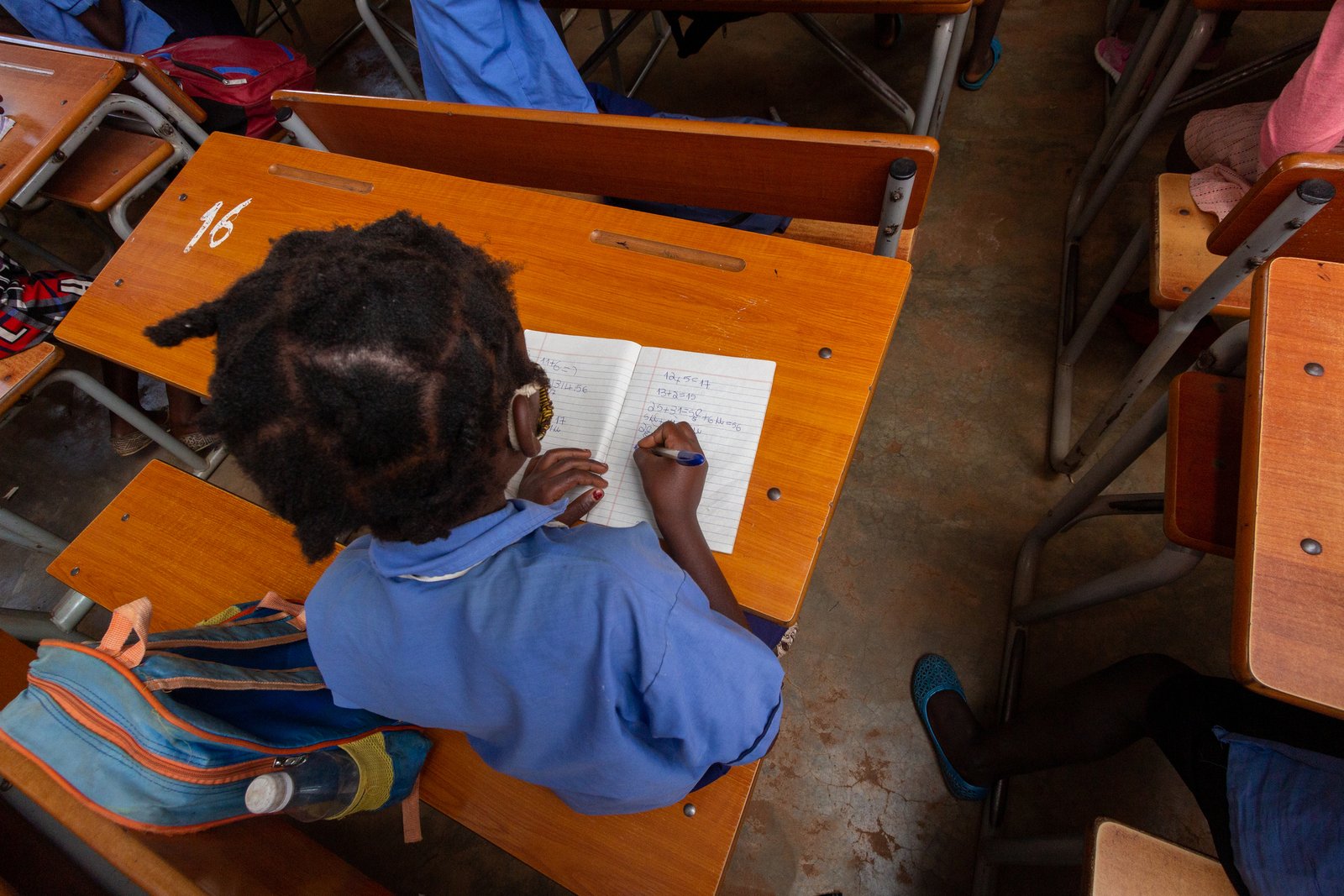
These are not isolated cases. In a 2026 Mixed Migration Centre survey, over three-quarters of approximately 250 Afghan children interviewed could not access education or training, more than half citing lack of documents. Rules that are not enforced do not protect anyone.
Closing the gaps
Three policy proposals to close the gaps follow. First, the screening gap: halt the deportation of registered refugees and assess protection risks — particularly for women and girls — before any return, consistent with UNHCR recommendations.
Second, the enforcement gap: audit banks, admission portals and hospitals against the rules that already exist. A PoR card that cannot open a bank account or a university application is legal recognition without real access.
Third, a better instrument. Regularization can serve security where expulsion has not. When Colombia granted legal status to hundreds of thousands of undocumented Venezuelans, research found improvements in migrants’ employment and wellbeing, with little measurable impact on native workers.
None of this is retrospective: nearly 800,000 registered refugees remain in Pakistan, and returns continue every week. Many Afghan women have studied, worked, and raised families in Pakistan — proof that integration is already happening. Policies that recognize that reality will produce better outcomes than repeated cycles of displacement.