Nigeria’s classrooms remain largely disconnected from the systems that make digital learning effective. Evidence shows that connectivity improves outcomes only when embedded in teaching practices and institutional frameworks. Nigeria’s experience highlights the limits of access-focused approaches and the importance of system-level integration.
Digital connectivity has reshaped how learning happens, shifting the focus from access to information to the ability to navigate and use knowledge networks effectively. Evidence from high-performing education systems shows that the benefits of connectivity depend less on access alone and more on how it is integrated into teaching and school systems. This echoes findings from the World Bank’s World Development Report on Digital Dividends, which argues that technology only improves outcomes when supported by strong institutions and skills.
Estonia is often cited as a leading example. Nearly all schools are digitally connected, and digital platforms are embedded in teaching, assessment, and school administration through systems such as eKool and Stuudium, which allow teachers, students, and parents to track assignments, attendance, grades, and school communication in real time. These platforms connect students, teachers, and parents through integrated systems for learning materials, communication, and school management.
Evidence from comparative research reinforces this pattern. Research by the Organisation for Economic Co-operation and Development (OECD) shows that increased access to digital devices in schools does not, on its own, improve learning outcomes, particularly where technology is not integrated into structured teaching practices.
Lessons from Nigeria
Nigeria’s experience reflects the same lesson. School device distribution programmes, including initiatives involving locally assembled computers and classroom hardware linked to Zinox Technologies, helped widen access to digital tools in schools and public institutions.
However, access alone rarely translated into better outcomes. This was especially true where teacher training was limited, electricity was unreliable, maintenance was weak, and technology was poorly connected to the curriculum. Hardware can create opportunities for digital learning, but without sustained support for how teachers use it in the classroom, learning gains are unlikely to follow.
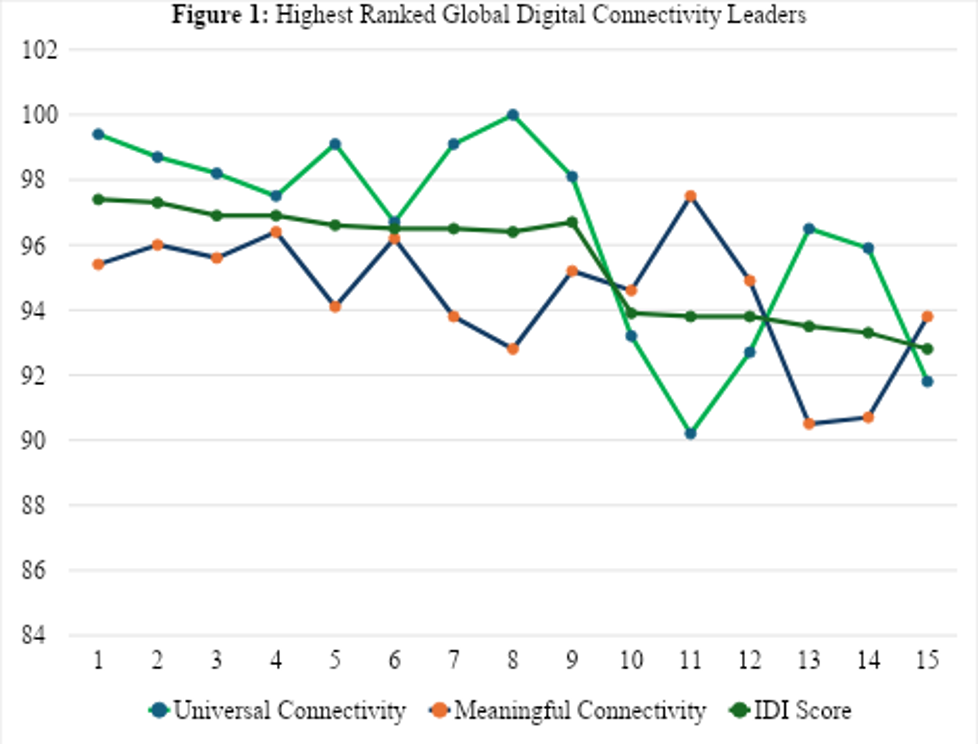
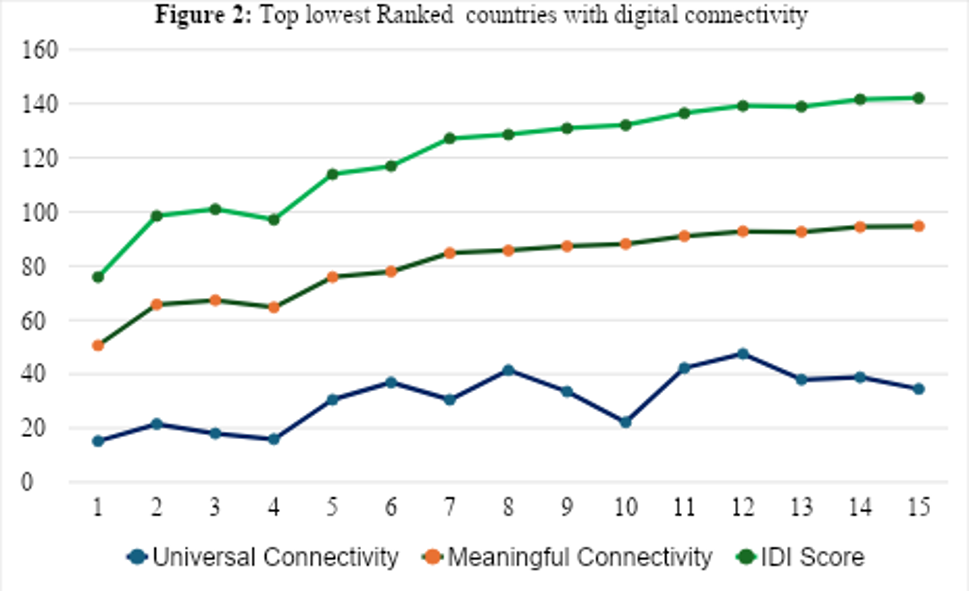
Globally, access to connectivity remains uneven. According to the International Telecommunication Union (ITU), around one-third of the world’s population still lacks internet access, with the largest gaps concentrated in low-income countries.
While much of Europe, East Asia, and North America has achieved near-universal access, many countries in sub-Saharan Africa continue to face significant shortfalls in both access and meaningful use. This divide is therefore not only about cables, towers, or broadband coverage, but also about whether schools can translate connectivity into better teaching and learning outcomes.
Africa’s uneven digital landscape and research visibility
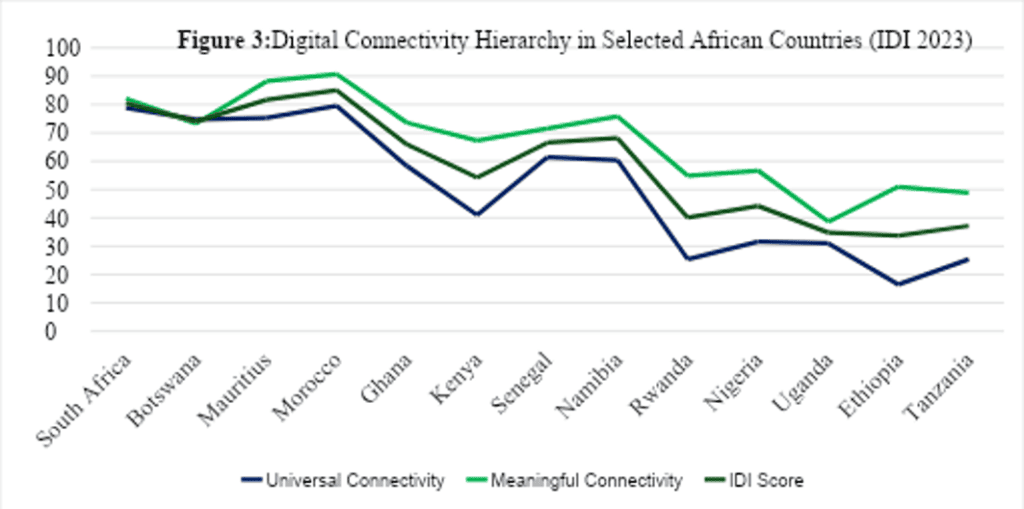
Africa’s digital gap is often described as a problem of infrastructure, but the evidence suggests a more complex story. Connectivity levels vary sharply across the continent. Countries such as Morocco, Mauritius, and South Africa rank among Africa’s most connected economies, while Nigeria, Uganda, Ethiopia, and Tanzania continue to lag on measures of both universal and meaningful internet access, according to the ITU’s ICT Development Index.
However, higher connectivity does not automatically translate into stronger education or research systems. South Africa offers an important contrast. It combines relatively advanced digital infrastructure with universities that dominate Africa’s global research rankings. In the latest SCImago Institutions Rankings, South African institutions account for more than half of Africa’s top 20 entries. This suggests that digital access can support research visibility when combined with capable universities, research funding, and strong institutions. The exception proves the rule.
The relationship is not automatic. Some African countries with comparatively strong connectivity still do not perform as well in global university rankings. Morocco, for example, has made major progress in broadband and mobile access, yet this has not translated into the same level of international research presence as South Africa. Mauritius has invested heavily in digital readiness and ICT skills but remains a smaller player in continental research output.
What explains the gap? Research on higher education systems points to factors beyond internet speed: sustained funding, doctoral training, international collaboration, research management capacity, and incentives for publication all matter. Connectivity helps scholars access journals, share data, collaborate remotely, and raise visibility – but it cannot substitute for institutional capacity.
This is highly relevant for Nigeria. Debates about digital education often focus on broadband coverage, device distribution, or student access. These are necessary steps, but not sufficient ones. Evidence suggests that linking digital expansion to learning quality, teacher capacity, and institutional performance is critical to improving outcomes.
There are signs of movement. The Nigerian Research and Education Network (NgREN) was designed to link universities through shared broadband and academic services. Recent government efforts on digital literacy and broadband expansion also signal growing recognition that education must be part of national digital strategy. However, implementation remains uneven, and many institutions still face unreliable power, weak campus networks, and limited support for staff and students.
A connected nation with disconnected classrooms
Nigeria appears, at first glance, to be part of the global digital surge. Worldwide, more than 60% of web traffic now comes from mobile devices, and in Nigeria this pattern is even more pronounced: among those online, connectivity is overwhelmingly mobile-driven, accounting for nearly all internet access.
However, research shows that mobile-first connectivity does not automatically translate into meaningful participation in digital learning. The World Bank’s World Development Report 2016: Digital Dividends, finds that while mobile technologies expand access, they are often insufficient for more complex educational uses – digital libraries, interactive platforms, or remote instruction require complementary investments in broadband infrastructure and institutional capacity.
This helps explain Nigeria’s deeper connectivity gap. By 2025, more than half of the population remained offline, leaving tens of millions of students excluded from digital learning systems. Among those connected, disparities persist: rural access lags far behind urban areas, and gender gaps in mobile internet use continue to limit participation.
Bridging the digital gap in Nigerian education
Recent policy and research increasingly frame digital connectivity in Nigerian education as a systems issue rather than a purely infrastructural one. National broadband and digital literacy initiatives now emphasise links between connectivity, skills development, and institutional capacity, echoing continental approaches such as the African Union’s Digital Education Strategy, which integrates infrastructure with pedagogy and governance reforms.
Nigeria’s experience illustrates both the promise and limits of this shift. The Nigerian Research and Education Network (NgREN) shows how connectivity can support research access, collaboration, and institutional visibility, but its uneven implementation underscores the role of complementary systems. Where power supply, campus infrastructure, and technical support are weak, the benefits remain limited. Digital technologies improve learning outcomes primarily when embedded in structured, teacher-led practices and supported by capable institutions. Where these conditions are absent, increased access alone has little impact.