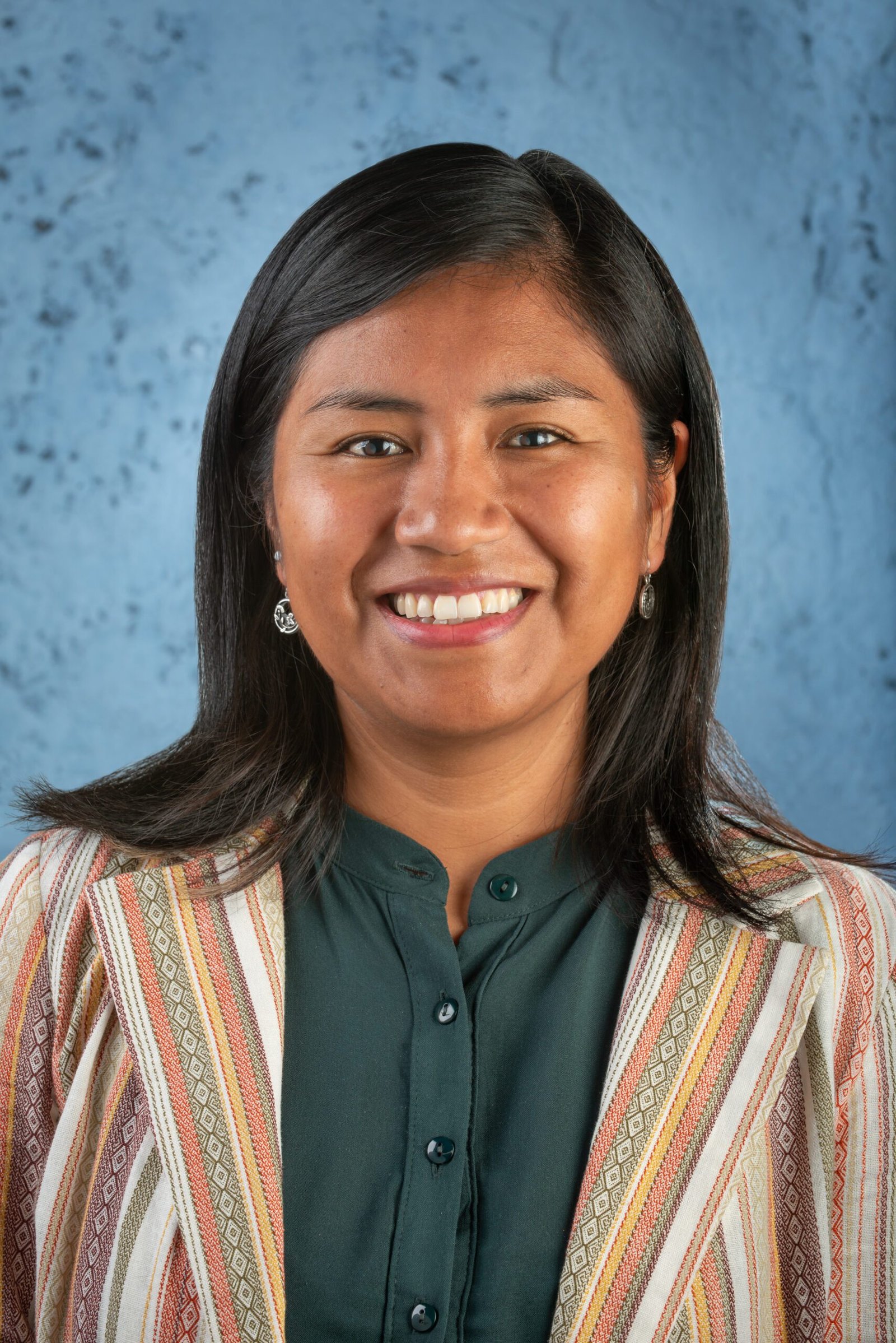
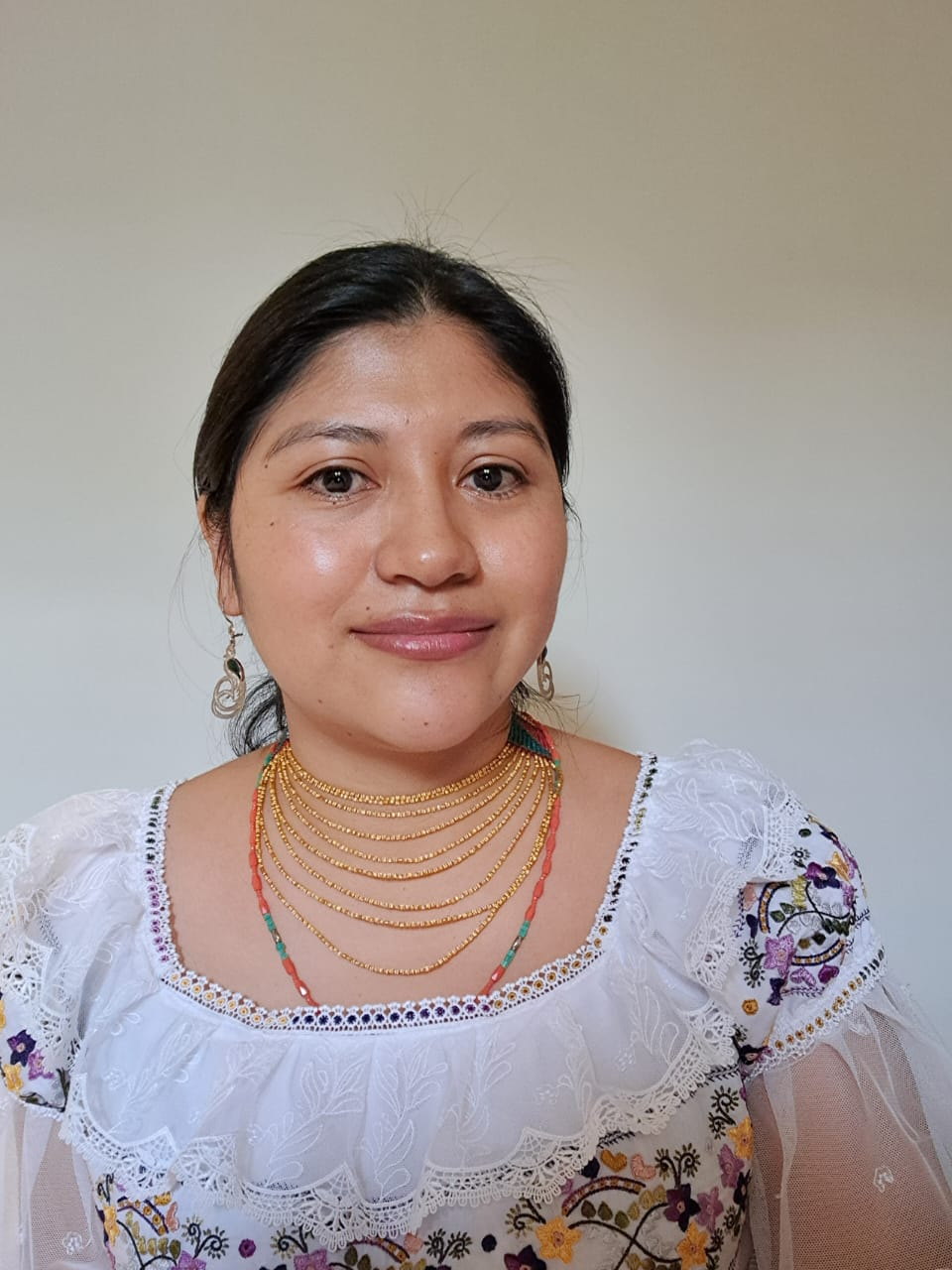
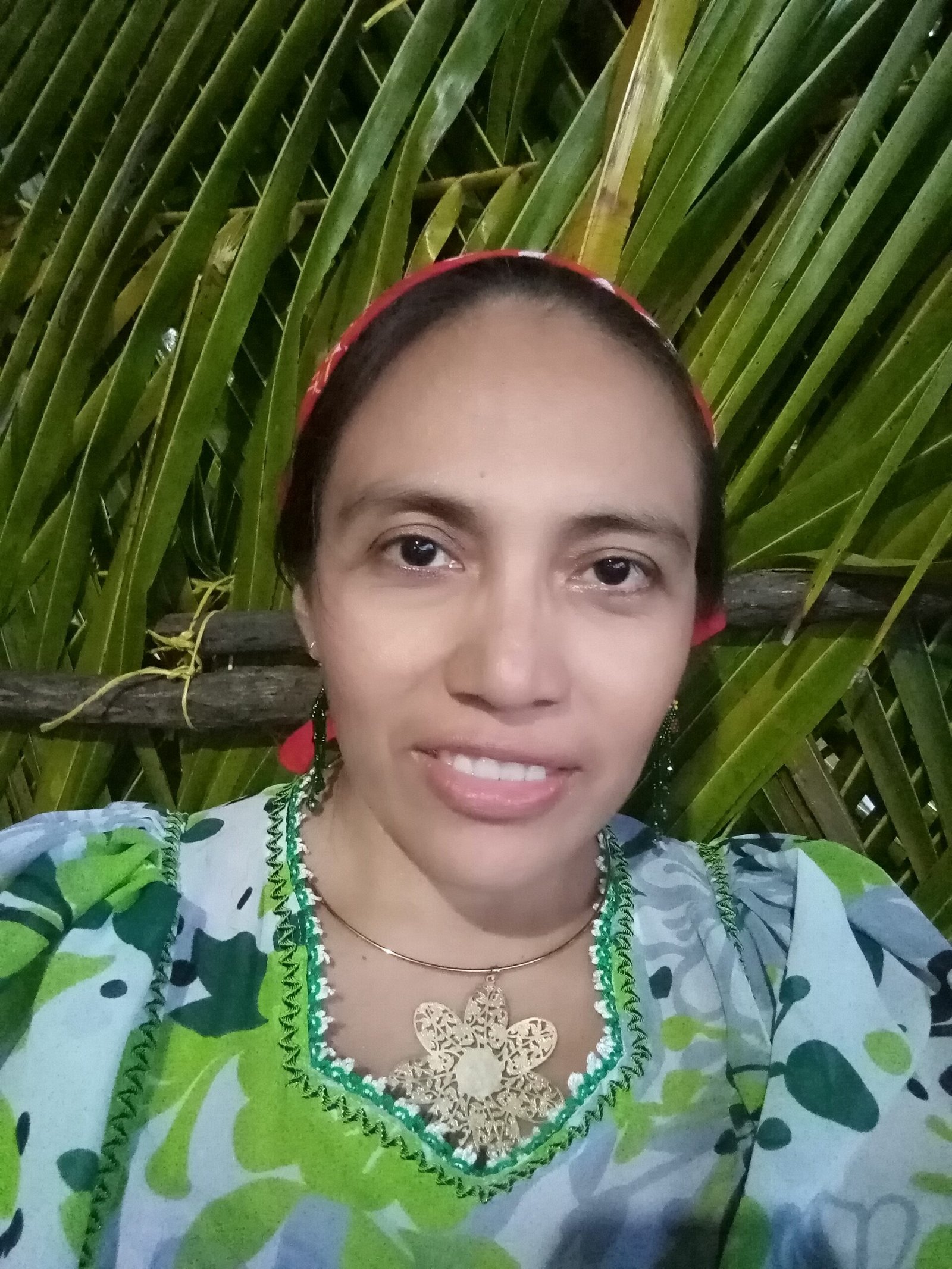
A critical question in development studies is who has the authority and legitimacy to produce science about forests, the Arctic, or the savanna. This is particularly important when ensuring that the voices of Indigenous Peoples are included to emphasize their position not as objects of research but as owners and creators of knowledge.
International scientific funding systems treat Indigenous Peoples as objects of research and sources of data, rather than co-creators of knowledge and science. Knowledge about Indigenous Peoples is produced without their meaningful involvement, and this is then used to regulate their existence.
Worse, the Indigenous partners’ role in research is reduced to ‘connecting scientists to the territory’ with no dedicated budget, authorship, or meaningful return for their community beyond travel to events. This tokenised and decorative presence must be addressed.
It is a distinct challenge, but with the same root as the well-known mismatch in global climate finance, where an estimated less than 1% of resources reach Indigenous territories and traditional communities directly. Here, the bottleneck is access to research funding: exclusion begins before disbursement even happens, in how science defines whose knowledge and skills, and who, counts as ‘researchers’. This, despite Western science recognizing Indigenous Peoples as the primary guardians of up to 30% of lands and oceans, and custodians of as much as 80% of the world’s remaining biodiversity.
Structural barriers: equity, recognition and leadership
Indigenous knowledge is often considered unscientific. The very distinction between what researchers and funders call ‘science’ and what they do not has weakened indigenous knowledge. One way to address this is to make relationships between Indigenous and non-Indigenous researchers more equitable.
This is essentially an issue of recognition. The difference is subtle but decisive: equity assumes a single model of science into which Indigenous Peoples should be included and integrated on fairer terms. Recognition means accepting that Indigenous Peoples have their own methodologies for producing knowledge, and funders should not translate or adapt them into Western scientific formats but sustain and nurture their knowledge.
An example from Latin America is ‘mingas de pensamiento’ — collective spaces where food and knowledge are shared. A research approach that recognizes Indigenous Peoples’ expertise could position ‘mingas de pensamiento’ as a field methodology in itself.
This differs sharply from prevailing scientific evaluation systems, where the questions are often: ‘What is your degree? What is your position? Such filters can render invisible elders who, without a formal diploma, can identify about 50 varieties of cassava in a blink – more than any biologist newly arrived in the territory.
These structural barriers are a reason why Indigenous knowledge continues to be treated within science and its funding systems as an object of research or as a means of connecting science and territories, rather than as science itself.
What should be done to elevate Indigenous knowledge?
Several practical measures could strengthen the recognition and leadership of Indigenous Peoples and Local Communities within scientific research.
First, every research call should include a mandatory scoping exercise dedicated to co-creation with Indigenous Peoples and Local Communities, designed together with their organizations and communities from the outset, and not only during the consultation phase.
Second, communities and organizations whose territories host projects should have direct access to funding, with an Indigenous steering committee holding real decision-making power, rather than an advisory role.
Third, every funded project should have lasting capacity and infrastructure in the territory: its own information systems and methodologies, trained researchers, and a knowledge repository that remains after funding ends.
Finally, call for proposals should use language accessible to Indigenous Peoples, recognizing that ‘research’ is not a term or concept they use in the same way.s.
We are not starting from zero. Since 2010, Canada has required Tri-Agency research proposals with an Indigenous research component to include a formal community engagement plan. It also maintains an Indigenous Leadership Circle in Research that advises funding agencies.
In Thailand, the Pgakenyaw Association for Sustainable Development project shows how a ‘field school’ model can integrate communities, government, academia, and NGOs around the premise that ecosystems and cultural heritage are inseparable.
Indigenous-led funding is also already operational. In the Brazilian Amazon, Podáali, the Shandia Platform of the Global Alliance of Territorial Communities, and the FSC Indigenous Foundation demonstrate that Indigenous-led financial management is an operational reality. Brazil also offers two recent cases that this agenda already has concrete traction. The ‘Learning Pathway – Innovation for Climate Adaptation: Guardians of Biodiversity’ trains community leaders to engage directly with the Convention on Biological Diversity. And the ‘Entre Ciências: Territórios de Saber em Diálogo’ project will invest $7 million over five years to train Indigenous and traditional-community researchers in the Amazon and the Cerrado, including funding for grassroots-led research and data-sovereignty tools.
Why this matters now for science and sustainability
The Local Communities and Indigenous Peoples Platform has two open consultation windows this year to define its next four-year work programme. In 2025, the Convention on Biological Diversity held its first meeting of a new permanent body dedicated to Indigenous Peoples and Local Communities’ knowledge, rights and participation in biodiversity policy.
At COP30, the Belém Technology Implementation Programme was approved, and the Tropical Forest Forever Facility was launched. The former renews the Climate Convention’s Technology Mechanism, and the latter is a Brazil-led global blended-finance initiative that aims to provide at least 20% of funds to Indigenous Peoples and Local Communities. These initiatives create an institutional scope to embed Indigenous participation not only in biodiversity research funding, but also in future technology cooperation under the United Nations Framework Convention on Climate Change.
Multilateral research collaborations are being designed, with many projects taking place in IPLC territories. This funding for research needs to align with the international environmental policy processes, as well as with the IPLCs’ priorities, practices and governance structures, while including their knowledge equitably.
These processes open the possibility to address whether Indigenous knowledge becomes co-authors of the global scientific and technological agendas, or remains a footnote in acknowledgements.